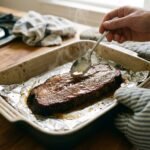
A 12-pound packer brisket costs you anywhere from $50 to $90 — sometimes more if you’re buying prime grade. You’re about to spend 10 to 14 hours smoking it. And the last thing you want is dry, tough meat that feels like chewing on a leather belt.
So the question pops up: should I brine my brisket before smoking it?
It sounds like extra work. And honestly, a lot of people skip it entirely. But here’s the thing — brining can genuinely transform your brisket, especially if you’ve struggled with dryness in the past. The trick is knowing when it makes sense, which type of brine works best, and how to do it without turning your meat into a salt lick.
That’s exactly what we’ll break down here. No fluff, no overcomplication — just straight answers based on what actually works on real briskets, not theory.
What Does Brining Actually Do to Brisket?
Before you decide whether to brine, you need to understand what’s happening at a meat-and-science level. Don’t worry — this isn’t a chemistry lecture.
Brining works through two basic processes: osmosis and protein denaturation. When you submerge brisket in a saltwater solution (or pack it in dry salt), the salt draws moisture out first, then dissolves into the meat’s muscle fibers. As it penetrates, it changes the protein structure — the muscle fibers loosen up and can hold onto more water during cooking.
Think of it this way. Imagine a sponge that’s been squeezed tight. Salt relaxes that sponge, so it absorbs and holds more liquid. That’s basically what happens inside your brisket.
The result? Meat that retains 10 to 15% more moisture during a long smoke. And since brisket cooks for hours at low temperatures, every bit of moisture retention counts. The flat (the leaner part of the brisket) benefits the most because it doesn’t have the fat marbling that the point has. If your brisket flat keeps coming out dry, brining could be the missing step.
Quick Fact: The USDA notes that salt concentrations between 3.5% and 10% are effective for meat preservation and flavor enhancement. For brining, most pitmasters stick to the 3 to 5% range for best results.
Wet Brine vs. Dry Brine — Which One Works Better for Brisket?
This is where most people get confused. You’ll hear both terms thrown around, and they’re very different processes with different results. Let’s break them down honestly.
Wet Brine
A wet brine means submerging your entire brisket in a saltwater solution, usually with added spices, sugar, or aromatics. The brine ratio most pitmasters rely on is about 1 cup of kosher salt per gallon of water. You soak the brisket for 12 to 24 hours in the fridge.
The upside? Deep moisture penetration and consistent seasoning throughout the meat. The brisket absorbs that liquid and holds onto it during the cook.
The downside? You need a container big enough to hold a full packer brisket submerged in liquid. That’s a LOT of fridge space. We’re talking about a large cooler, a brining bag, or a food-grade bucket. You also risk a waterlogged exterior, which can mess with your bark formation. And if your brisket is already wet on the surface, getting that dark, crispy bark becomes trickier.
Dry Brine
A dry brine is simpler. You coat the brisket generously with kosher salt (about ½ teaspoon per pound of meat) and let it sit uncovered on a wire rack in your fridge for 12 to 48 hours.
Here’s how it works: the salt pulls moisture to the surface initially. That moisture dissolves the salt, creating a concentrated natural brine right on the meat’s surface. Then, that brine gets reabsorbed back into the meat over time, seasoning it from the inside.
The major advantage? Better bark. Because there’s no excess water on the surface, the exterior dries out slightly in the fridge. That dry surface is exactly what you want for developing a thick, flavorful bark during smoking. You also save fridge space and don’t need any special containers.
So Which One Should You Pick?
For brisket specifically — dry brining wins for most people. The bark is king on a smoked brisket, and wet brining can compromise it. Dry brining gives you the moisture retention benefits without sacrificing that crunchy, peppery exterior.
That said, if you’re making something like a corned beef-style brisket or pastrami, wet brining (or curing) is the traditional method and the right choice. It depends entirely on your end goal.
⚡ Pro Tip: If you do decide on a wet brine, pat the brisket completely dry with paper towels after removing it from the brine. Let it sit uncovered in the fridge for another 4 to 6 hours. This helps dry the surface and improves bark formation.
How to Dry Brine a Brisket — Step by Step
Alright, let’s get practical. Here’s how you dry brine a brisket the right way. It’s not complicated, but the details matter.
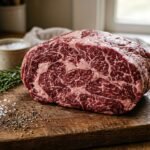
Step 1: Trim your brisket first. Remove excess fat, especially the hard fat cap on top — leave about ¼ inch. Trim off any silver skin and thin, floppy edges. You want the salt to contact actual meat, not just fat. If you’re working with a packer brisket vs. just a flat, the trimming approach will differ slightly.
Step 2: Apply kosher salt evenly. Use about ½ teaspoon of kosher salt per pound. So for a 14-pound packer, that’s roughly 7 teaspoons (just over 2 tablespoons). Spread it evenly across all surfaces — top, bottom, sides. Don’t clump it in one spot.
Step 3: Place the brisket on a wire rack set inside a sheet pan. This allows air to circulate underneath, which helps dry the surface evenly.
Step 4: Refrigerate uncovered for 12 to 48 hours. The sweet spot for most people is 24 hours. Any less than 12 and the salt hasn’t fully penetrated. More than 48 and you risk over-salting, especially on the thinner parts of the flat.
Step 5: Before smoking, apply your rub. Here’s the key — don’t add more salt to your rub since the brisket is already salted. Use a salt-free rub or just go with coarse black pepper. The classic Texas-style “dalmatian rub” (50/50 salt and pepper) needs adjustment here — just use pepper, garlic powder, and maybe a touch of onion powder.
Step 6: Smoke as you normally would. The brining doesn’t change your cook time or temperature. If you usually smoke your brisket at 225°F, keep doing exactly that.
When Brining Makes the Biggest Difference
Brining isn’t always necessary. Some briskets genuinely don’t need it. So let’s talk about when it actually helps and when you can skip it.
You Should Brine When…
Your brisket is Select or Choice grade with minimal marbling. Less marbling means less intramuscular fat, which means less natural moisture during the cook. Brining fills that gap. The flat on a Choice-grade brisket, especially, tends to dry out during long smokes. If you’ve been frustrated with dry flats, dry brining alone can fix that problem.
You’re cooking a whole packer brisket and worry about the flat drying out before the point reaches temperature. The flat is thinner and leaner. It reaches its target internal temp faster than the thicker, fattier point. Brining gives the flat extra moisture insurance during those extra hours.
You’re working with previously frozen brisket. Freezing and thawing causes ice crystals to puncture muscle fibers, which means the meat naturally loses more juice during cooking. Brining helps replenish some of that lost moisture.
You Can Skip It When…
You’ve got a Prime or Wagyu-grade brisket with beautiful marbling throughout. These cuts have so much intramuscular fat that moisture is rarely an issue. The fat renders and self-bastes the meat. Adding a brine to a Prime brisket is like putting a rain jacket on a fish — it’s not going to hurt, but it’s probably unnecessary.
If you’re curious about the difference between Prime and Choice brisket, that comparison can help you decide whether brining is worth your time based on the grade you’re buying.
You’re wrapping your brisket during the cook. Many pitmasters wrap their brisket in butcher paper or foil during the stall (usually around 165°F internal temp). Wrapping traps moisture and essentially braises the meat in its own juices. This already prevents a lot of drying, so the benefit of brining is reduced. If you want to nail your brisket wrap temperature, getting the timing right matters as much as any brine.
Does Brining Affect Smoke Absorption and Bark?
This is a legit concern that deserves a straight answer: yes, it can — but only if you do it wrong.
Smoke adheres best to a dry, tacky surface. If you pull your brisket from a wet brine and throw it straight on the smoker, you’re essentially steaming the exterior for the first hour or two while that surface moisture evaporates. During that time, smoke particles don’t stick well, and bark development stalls.
Dry brining avoids this entirely. Because the surface dries out during the 24-hour fridge rest, you actually get better bark than an un-brined brisket. The surface proteins concentrate and create a stickier “pellicle” — that thin, tacky layer that smoke loves to cling to.
Aaron Franklin, the pitmaster behind Franklin Barbecue in Austin, Texas, has talked about how surface moisture is one of the biggest enemies of good bark. He favors simple seasoning and a dry surface over complex brining. And his briskets are generally considered some of the best in the world.
So if bark is a priority for you (and it should be), dry brining is your friend. Wet brining requires that extra drying step before the cook — skip it, and your bark will suffer.
Brine Recipes That Work Well for Brisket
Simple Dry Brine (Best for Smoked Brisket)
You don’t need anything fancy. Kosher salt is the star here.
For a 12–15 lb packer brisket: use about 2 tablespoons of Morton’s kosher salt (or 3 tablespoons of Diamond Crystal — the brands have different flake sizes, so measurements differ). Apply evenly. Refrigerate uncovered on a rack for 24 hours. Done.
Want a bit more flavor? Add 1 teaspoon of garlic powder and 1 teaspoon of onion powder mixed into the salt. That’s it. Don’t overcomplicate it.
Wet Brine (Best for Pastrami or Corned Beef Style)
If you’re going the corned beef or pastrami route, here’s a solid wet brine recipe per gallon of water:
Mix 1 cup kosher salt, ½ cup brown sugar, 2 tablespoons whole black peppercorns, 1 tablespoon mustard seeds, 2 bay leaves, 4 crushed garlic cloves, and 1 teaspoon of pink curing salt (Prague Powder #1) into the water. Heat until dissolved, then cool completely before adding the brisket. Submerge and refrigerate for 5 to 7 days, flipping the brisket once daily.
⚠️ Warning: Pink curing salt is NOT the same as Himalayan pink salt. Prague Powder #1 contains sodium nitrite, which prevents botulism in cured meats. Use it exactly as directed — too much can be harmful. If you’re only smoking a regular brisket (not making pastrami), you don’t need curing salt at all.
How Long Should You Brine Brisket?
Timing matters more than people realize. Too short and the salt doesn’t penetrate deep enough. Too long and the outer layer gets unbearably salty while the interior stays under-seasoned.
For dry brining: 24 hours is the sweet spot. You can go up to 48 hours for a very thick packer brisket, but beyond that, the outer ½ inch starts tasting overly salty compared to the center. If you only have 12 hours, it still helps — the salt will penetrate about ¼ inch, which is enough to make a noticeable difference in the surface flavor and some moisture retention.
For wet brining: 12 to 24 hours for a simple brine. 5 to 7 days for a full cure (pastrami/corned beef). Don’t rush a cure — the curing salt needs time to work through the entire piece of meat for food safety.
Did You Know? Salt penetrates meat at roughly 1 inch per 24 hours under refrigeration. That’s why a thick brisket flat (3–4 inches) won’t be seasoned all the way through with just a 24-hour dry brine — but the outer inch or so will be perfectly seasoned, which is what you taste with every bite.
Brining vs. Injection — What’s the Difference?
You’ve probably seen competition pitmasters injecting briskets with beef broth, butter, and various liquids. Is that the same thing as brining? Not quite — and they serve different purposes.
Brining is a slow, passive process. Salt gradually works its way into the meat over hours. It changes the protein structure so the meat holds onto more of its own natural juices. The flavor is subtle and enhances what’s already there.
Injection is fast and aggressive. You’re physically pushing liquid deep into the meat with a needle. The flavors are more concentrated and can be tasted immediately. Competition cooks love injections because they add richness and help briskets perform well under the stress of competition timing.
Can you do both? Technically yes, but it’s overkill for most backyard cooks. Pick one approach. If you want subtle, natural flavor with better moisture — brine. If you want bold, rich flavor fast — inject.
For most home cooks smoking their first or second brisket, dry brining is the safer, easier, and more forgiving option. Injections require more experience to get the ratios right without making the meat taste artificial.
Common Mistakes People Make When Brining Brisket
Let’s save you some trial and error. These are the mistakes I see most often — and they’re all easy to avoid.
Using table salt instead of kosher salt. Table salt is much finer and denser than kosher salt. If a recipe calls for 2 tablespoons of kosher salt and you use 2 tablespoons of table salt, you’ve just doubled your salt content. Always use kosher salt, and pay attention to the brand — Diamond Crystal is about half as dense as Morton’s.
Not adjusting the rub. This is the #1 mistake. You brine the brisket with salt, then you put a salty rub on top, and the result is borderline inedible. If you’ve dry brined, use a salt-free rub. Period.
Brining at room temperature. Some old-school recipes suggest brining on the counter. Don’t. Brisket needs to stay below 40°F during the entire brining process. Anything above that for more than 2 hours enters the danger zone for bacterial growth.
Not drying the surface after wet brining. We talked about this already, but it bears repeating. If you wet brine and don’t dry the surface thoroughly, your bark will be soft, pale, and disappointing. Pat it dry, then let it air-dry in the fridge for several hours.
Brining too long. More isn’t better. After 48 hours of dry brining, the texture of the outer meat can start turning a bit ham-like. It’s called “cured texture,” and while it’s great for pastrami, it’s not what you want on a smoked brisket.
What About the Rest of Your Brisket Cook?
Brining is just one piece of the puzzle. The real magic happens during the smoke, and that requires getting your temperatures right.
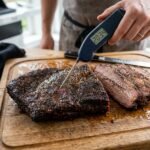
Knowing when to pull your brisket is arguably more important than any brine. Most pitmasters target an internal temp of 200–205°F, but the real test is the probe test — when a thermometer probe slides into the thickest part of the flat with almost no resistance, like poking warm butter. If you want specifics on where exactly to probe your brisket, that alone can make or break your cook.
And after the cook? Resting matters just as much. Rest your brisket for at least 1 hour (many pitmasters rest for 2–4 hours in a cooler wrapped in towels). This lets the juices redistribute so they don’t all pour out when you slice the brisket.
If you’ve got leftover brisket (lucky you), knowing how to reheat it properly keeps it tasting close to fresh off the smoker.
FAQ
Does brining brisket make it too salty?
Not if you use the right amount of salt. For dry brining, stick to ½ teaspoon of kosher salt per pound and don’t exceed 48 hours. The bigger risk is adding a salty rub on top of an already brined brisket. Skip the salt in your rub after brining, and you’ll be fine. The finished brisket should taste well-seasoned, not salty.
Can I brine a frozen brisket?
You should thaw it first. Brining works through diffusion, and salt can’t penetrate frozen muscle tissue effectively. Thaw your brisket completely in the fridge (this takes 24–48 hours for a packer), then apply your dry brine. Trying to brine a frozen or partially frozen brisket will give you uneven seasoning — salty on the outside, bland in the middle.
Is dry brining the same as just salting the meat?
Technically, yes — dry brining IS salting the meat ahead of time. But the key difference is the time factor. If you salt your brisket and immediately start cooking, the salt just sits on the surface. When you salt it and give it 12–24 hours in the fridge, the salt draws out moisture, dissolves, and gets reabsorbed deep into the meat. That reabsorption step is what makes dry brining more effective than last-minute salting.
Should I rinse my brisket after wet brining?
A quick rinse under cold water is fine if you’re worried about excess surface salt. But don’t soak it — that defeats the purpose. After rinsing, pat it completely dry. For dry-brined briskets, you don’t need to rinse at all. The salt should have fully absorbed by the time you’re ready to cook.
Does brining change how long I need to smoke my brisket?
No. Brining doesn’t change the cook time or the target internal temperature. You still smoke at whatever temperature you prefer (225°F is the most common) and pull the brisket when it hits the 200–205°F range with a probe-tender feel. The only thing brining changes is the moisture and seasoning inside the meat — not the cooking process itself.
Your Next Brisket Could Be Your Best One
Here’s the honest truth: you can absolutely make a great brisket without brining. Thousands of pitmasters do it every weekend. But if you’ve ever sliced into a beautiful-looking brisket only to find the flat dry and disappointing, dry brining is one of the simplest fixes out there.
It takes 2 minutes of work and 24 hours of patience. No special equipment. No complicated recipes. Just salt, a rack, and fridge space.
Next time you bring home a brisket, try it. Trim the fat, hit it with kosher salt, and let it rest uncovered in the fridge overnight. Smoke it the way you always do. Then slice into it and compare. That juicy, well-seasoned bite — especially through the flat — will tell you everything you need to know.
And once you’ve nailed the brine, you can focus on perfecting the rest: choosing the best smoking temperature, getting the wrap timing right, and dialing in your resting game. That’s how good brisket becomes great brisket — one small improvement at a time.