Most people ruin their pulled pork not because they cook it wrong — but because they pull it at the wrong temperature. You follow the recipe, wait for hours, check the thermometer, see 165°F, and think it’s done. You pull it, try to shred it… and it fights back like a rubber tire.
Sound familiar? That’s because there’s a massive gap between “safe to eat” and “ready to shred.” The USDA says pork is safe at 145°F. But try pulling pork at that temp, and you’ll be chewing on it for the rest of the week.
The pulled pork internal temperature that actually gives you that buttery, fall-apart, melt-in-your-mouth result? That’s a different number entirely. And hitting it right — at the right moment, in the right way — is what separates backyard beginners from pitmasters.
Let’s break the whole thing down so your next cook goes exactly the way you want it to.
Why Internal Temperature Matters More Than Cook Time
Here’s something that trips up a lot of home cooks: they focus on time instead of temperature. “Cook your pork shoulder for 8 hours at 225°F” — you’ve seen this advice everywhere. And it’s not wrong exactly, but it’s incomplete.
Every pork shoulder is different. A 6-pound bone-in Boston butt behaves very differently from a 10-pound boneless shoulder. Fat distribution, bone structure, starting temperature, and even humidity inside your smoker all affect how fast that internal temp climbs.
If you rely only on time, you’re basically guessing. And guessing doesn’t make great barbecue.
Temperature tells you what’s actually happening inside the meat. It tells you when collagen is breaking down, when fat is rendering, and when those tough connective tissues are transforming into gelatin. That transformation is what makes pulled pork… well, pullable.
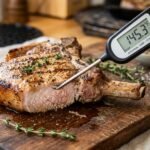
This is exactly why a reliable meat thermometer is non-negotiable. No pitmaster worth their salt cooks without one.
The Magic Number: 195°F to 205°F
Let’s get straight to it. The ideal pulled pork internal temperature is between 195°F and 205°F, with most pitmasters pulling at right around 203°F.
But why this range? And why not just pick one number?
What Happens Below 195°F
At temperatures below 195°F, the collagen inside the pork shoulder hasn’t fully broken down yet. Collagen is the protein that makes tough cuts tough. It starts converting into gelatin around 160°F, but the process is slow. By 180°F, you’ve got some breakdown happening, but the meat still holds together firmly. You can slice it, sure, but you can’t shred it easily.
At 190°F, you’re getting close. The meat is tender, but there are still pockets of resistance — spots where the connective tissue hasn’t quite surrendered.
The Sweet Spot: 195°F–205°F
Between 195°F and 205°F, something magical happens. The remaining collagen melts into gelatin, the fat has fully rendered through the meat, and the muscle fibers separate with almost no effort. Stick a probe in there, and it should slide through like butter — pitmasters call this the “probe tender” test, and it’s just as important as the number on your thermometer.
At 203°F specifically, most pork shoulders hit that perfect balance: tender enough to shred with two forks (or even your hands), moist enough to not feel dry, and flavorful throughout.
What Happens Above 205°F
Push past 205°F and you start risking dry, mushy pork. The muscle fibers break down too much, the meat loses its texture, and the fat that was keeping everything juicy starts to evaporate. You end up with something that shreds easily but tastes like cardboard.
There’s a narrow window between “perfectly done” and “overdone,” and staying in the 195°F–205°F range keeps you safely inside it.
Pro Tip: Temperature alone doesn’t guarantee perfection. Always do the probe test. If your thermometer reads 200°F but the probe meets resistance, give it more time. If it reads 195°F and the probe slides in like warm butter, you’re good to go.
The Stall: Why Your Temp Stops Climbing
If you’ve ever smoked a pork shoulder, you’ve probably experienced the stall. Everything’s going great — the temp climbs steadily for a few hours — and then somewhere around 150°F to 170°F, it just… stops. For hours. Sometimes 3, 4, even 5 hours.
Don’t panic. This is completely normal.
The stall happens because of evaporative cooling. As the meat’s internal temperature rises, moisture on the surface evaporates and cools the meat down — the same way sweat cools your skin. The heat going into the meat gets balanced out by the cooling from evaporation, and the temperature flatlines.
Should You Wrap During the Stall?
This is one of the biggest debates in barbecue. Wrapping your pork shoulder in foil or butcher paper during the stall — often called the Texas Crutch — pushes through the stall faster by trapping moisture and reducing evaporation.
Foil wrap gets you through faster but can make the bark soft and steamy. Butcher paper is the middle ground — it speeds things up while still letting some moisture escape, so your bark stays better. If you’re curious about the difference, there’s a detailed breakdown of butcher paper vs parchment paper that’s worth reading.
Some pitmasters don’t wrap at all. They ride out the stall and let the bark develop fully. This takes longer — sometimes 14+ hours for a big shoulder — but the bark you get is unbeatable.
There’s no wrong answer here. It depends on your patience, your timeline, and what you value more: bark or speed.
Choosing the Right Cut for Pulled Pork
Not every cut of pork makes great pulled pork. You need something with plenty of fat, collagen, and connective tissue — the exact things that melt down during a long, slow cook and create that juicy, shreddable texture.
Pork Butt (Boston Butt)
This is the gold standard for pulled pork. Despite the name, it actually comes from the upper part of the shoulder. It’s heavily marbled with intramuscular fat, has a nice fat cap on top, and is packed with connective tissue. All of this makes it incredibly forgiving — even if you overshoot your target temp slightly, the fat content keeps it moist.
A typical bone-in pork butt weighs 7 to 10 pounds and takes roughly 1 to 1.5 hours per pound at 225°F. Bone-in is preferred by most pitmasters because the bone adds flavor and helps you gauge doneness — when the bone wiggles freely, you’re close.
Picnic Shoulder
The picnic shoulder comes from the lower part of the front leg. It’s tougher than pork butt, has more sinew, and often comes with skin on. It works for pulled pork, but requires a bit more care. The texture isn’t quite as forgiving, and the shape is awkward, which can lead to uneven cooking.
If you’re choosing between the two, go with pork butt. It’s easier, more consistent, and gives better results 9 times out of 10. For a deeper understanding of different cuts and their cooking characteristics, check out this guide on shoulder vs chuck roast — the principles of fat and collagen apply across meats.
Quick Fact: “Boston butt” got its name from colonial New England, where cheap cuts of pork were stored in barrels called “butts.” The Boston part? That’s just where the practice was most common.
Step-by-Step: Smoking Pulled Pork to the Perfect Internal Temperature
Let me walk you through the entire process — from raw meat to perfectly shredded pork.
Prep the Night Before
Trim any excessively thick fat from the surface, but leave about a ¼-inch fat cap. This renders during cooking and bastes the meat naturally. Apply your dry rub generously — a simple mix of brown sugar, paprika, garlic powder, onion powder, salt, black pepper, and a touch of cayenne works beautifully.
Wrap the rubbed shoulder in plastic wrap and let it sit in the fridge overnight. This lets the salt penetrate deep into the meat and builds a better bark.
Set Your Smoker Temperature
225°F is the traditional low-and-slow temperature, and it’s hard to argue with the results. The meat spends maximum time in the “rendering zone” where fat and collagen break down slowly and evenly.
If you’re short on time, 275°F works too. You’ll sacrifice a little bark development and smoke penetration, but you’ll still get tender, shreddable pork in significantly less time. There’s a great comparison on smoking pork shoulder at 275°F if you want to explore that route.
For brisket lovers, the logic is similar — the conversation around smoking brisket at 225°F follows the same principles of patience and temperature control.
Wood Selection Matters
Your choice of smoking wood directly affects flavor. Hickory gives a strong, classic barbecue taste — bold and a little bacon-y. Apple and cherry woods are milder and sweeter. Mesquite is intense and can easily overpower pork if you’re not careful.
For pulled pork, hickory or a hickory-fruitwood blend is the sweet spot for most people. If you’re debating wood options, the breakdown on hickory vs mesquite can help you decide.
Monitor the Cook
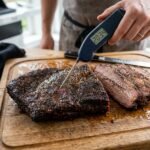
Place your temperature probe in the thickest part of the meat, away from the bone. The bone conducts heat faster than the surrounding meat, so probing near it gives you a falsely high reading.
For the first few hours, don’t open the smoker. Every time you lift that lid, you lose heat and extend your cook time. Trust the process.
Expect the timeline to look something like this for a 8-pound pork butt at 225°F:
- Hours 1–4: Steady climb to around 150°F. Bark starts forming. Smoke ring develops.
- Hours 4–8: The stall hits. Temperature hovers between 150°F and 170°F. This is where patience gets tested.
- Hours 8–12: Temperature slowly climbs from 170°F to your target of 195°F–205°F.
Total cook time usually falls between 10 and 14 hours, but again — temperature, not time, is your guide.
The Probe Test
When your thermometer hits 195°F, start checking with the probe test. Insert your thermometer probe or a toothpick into several spots in the thickest part of the shoulder. If it slides in with zero resistance — like poking a stick into warm peanut butter — you’re done. If there’s any tug or drag, give it another 30 minutes and check again.
The Rest: Don’t Skip This Step
You’ve hit 203°F. The probe slides through like a dream. Every instinct tells you to pull it apart right now.
Don’t.
Resting is arguably the most important step in the entire process, and skipping it is the single most common mistake home cooks make.
Why Resting Matters
When meat cooks, the muscle fibers contract and push moisture toward the center. If you shred immediately, all that juice runs out onto your cutting board instead of staying in the meat. Resting gives those fibers time to relax and reabsorb moisture, resulting in juicier, more flavorful pork.
How to Rest Properly
Pull the pork off the smoker. If it’s wrapped, keep it wrapped. If it’s unwrapped, tent it loosely with foil — you don’t want to trap too much steam and soften your bark.
Place it in a cooler (without ice) lined with old towels. A good cooler holds heat remarkably well. Your pork will stay above 140°F — the safe zone — for 4 to 6 hours this way.
Minimum rest time: 1 hour. Ideal rest time: 2 to 4 hours.
This cooler method is what competition pitmasters use. It gives you flexibility too — if your pork finishes early (which happens more often than you’d think), the cooler buys you hours of buffer time before your guests arrive.
Pro Tip: The internal temperature will actually continue to rise 5°F–10°F after you pull it from the smoker. This is called carryover cooking. So if you’re aiming for 203°F as your final temp, consider pulling it off the smoker at 198°F–200°F.
Shredding: The Right Way
After your pork has rested, it’s time for the fun part. Unwrap it, and you should see the bone (if bone-in) practically falling out. Grab it and twist — it should slide out clean with almost no meat attached.
Two forks are the classic shredding tool. Pull in opposite directions, and the meat should fall apart into long, juicy strands.
Some people prefer bear claws — those claw-shaped meat shredders you see at barbecue stores. They work great for larger batches. Others wear heat-resistant gloves and use their hands, which gives you the most control over shred size.
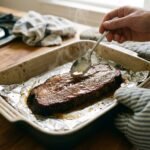
Here’s a tip most recipes skip: mix the shredded pork with the collected juices from the resting period. That liquid at the bottom of your foil or butcher paper? It’s liquid gold — a concentrated mix of rendered fat, gelatin, and pork flavor. Drizzle it back over your shredded pork, toss gently, and you’ll notice an immediate difference in moisture and taste.
Don’t drown it in barbecue sauce right away. Let people taste the meat first. Good pulled pork shouldn’t need sauce to taste incredible — sauce should be an accent, not a cover-up.
Common Temperature Questions People Get Wrong
“The USDA says pork is done at 145°F. Why go higher?”
This confuses a lot of people, and it’s a fair question. 145°F is the minimum safe temperature for whole cuts of pork — pork chops, tenderloin, loin roasts. At 145°F, harmful bacteria are killed, and the meat is safe to eat.
But “safe to eat” and “ideal for pulled pork” are two completely different goals. Pork shoulder is full of collagen and connective tissue that only breaks down at much higher temperatures. You need to push past 190°F to transform that tough cut into something tender and shreddable.
Think of it this way: a pork chop at 145°F is perfect — juicy and slightly pink. A pork shoulder at 145°F is basically inedible.
“Can I pull pork at 190°F to save time?”
You can, but you might regret it. At 190°F, some of the collagen has broken down, but not all of it. The meat will shred, but you’ll encounter chewy, tough spots — especially in the center of thicker sections. If you’re in a rush, 195°F is the absolute lowest you should go, and even then, make sure the probe test confirms tenderness.
“My pork hit 205°F but it’s still tough. What happened?”
This happens occasionally, and it’s usually because the meat didn’t spend enough time at temperature. If your smoker was running hot — say 300°F+ — the exterior reached 205°F quickly, but the interior didn’t have enough time for the collagen to fully break down. Low and slow isn’t just about the final number; it’s about giving the meat time at elevated temperatures for that breakdown to happen.
The fix? Next time, keep your smoker closer to 225°F–250°F. Similar issues can come up with brisket too — if you’ve ever wondered about when to pull brisket, the same “probe tender” principle applies.
Pulled Pork Temperature for Different Cooking Methods
Smoking isn’t the only way to make pulled pork. The target internal temperature stays the same regardless of method — 195°F to 205°F — but each method has its own nuances.
Oven
Set your oven to 250°F. Place the seasoned pork shoulder in a roasting pan, fat side up. Cover tightly with foil after the first 2 hours (to let the crust form first). Total cook time is roughly 8 to 10 hours for an 8-pound shoulder. You won’t get a smoke ring, but you’ll get tender, delicious pulled pork.
Slow Cooker
A slow cooker on LOW takes about 10 to 12 hours. The downside? No bark, no smoke flavor, and the texture can be a bit mushier than smoked pork. But it’s convenient, nearly foolproof, and perfect for weeknight cooking. Always use a thermometer — even in a slow cooker, you want to confirm you’ve hit at least 195°F.
Instant Pot / Pressure Cooker
You can get a 4-pound pork shoulder to pulling temperature in about 90 minutes under pressure plus natural release. The trade-off is significant: no bark, no smoke, and the texture is softer — more “fall apart” than “pulled.” It works in a pinch, but it’s a fundamentally different experience from smoked pulled pork.
Regardless of method, that target temperature range doesn’t change. And regardless of method, resting is still essential.
How Much Pulled Pork Per Person?
This catches people off guard because pork shoulder loses a LOT of weight during cooking. Between fat rendering, moisture evaporation, and bone weight, expect to lose about 40% of the raw weight.
So a 10-pound raw pork butt yields roughly 6 pounds of finished pulled pork. Plan for about ⅓ pound of cooked pulled pork per person for sandwiches, or ½ pound per person if pork is the main dish without a bun.
For a gathering of 20 people getting sandwiches, you’d want about 7 pounds of finished pork — which means starting with a 12-pound raw shoulder.
FAQ
What is the best internal temperature for pulled pork?
The best internal temperature for pulled pork is between 195°F and 205°F, with 203°F being the sweet spot most pitmasters aim for. At this range, collagen has fully converted to gelatin, the fat has rendered, and the meat shreds effortlessly. Always confirm with the probe test — the thermometer should slide in with no resistance.
Is pork shoulder done at 180°F?
Pork shoulder is safe to eat at 180°F, but it’s not done for pulling purposes. At 180°F, the collagen hasn’t fully broken down, and the meat will be tough and difficult to shred. You need to continue cooking until you reach at least 195°F for proper pulled pork texture.
How long does it take to smoke a pork shoulder to 203°F?
At 225°F smoker temperature, plan for approximately 1 to 1.5 hours per pound. An 8-pound pork butt typically takes 10 to 14 hours, including the stall. Variables like outside temperature, wind, humidity, and how often you open the smoker all affect total cook time. Always cook to temperature, not to a fixed time.
Should I wrap my pork shoulder during the stall?
Wrapping is optional but speeds things up significantly. Foil wrapping pushes through the stall fastest but can soften the bark. Butcher paper is a popular middle ground that maintains better bark texture while still reducing stall time. Going unwrapped produces the best bark but adds hours to the total cook.
Can I pull pork at 190°F if I’m short on time?
You can, but results won’t be consistent. Some parts of the meat may shred fine while others remain chewy and resistant. If you must pull early, 195°F is a safer minimum, and always check tenderness with the probe test before committing. Patience pays off with pork shoulder — those last 10–15 degrees make a bigger difference than any other stretch of the cook.
Your Next Cook Starts Here
Getting the pulled pork internal temperature right isn’t complicated — but it does require throwing out some old habits. Stop watching the clock. Stop trusting recipes that give you a fixed cook time. Start trusting your thermometer, and more importantly, start trusting the probe test.
Aim for 195°F to 205°F. Let it rest for at least an hour — two or three is even better. Shred it, mix in those collected juices, and serve it with confidence.
Once you nail this process, you’ll never go back to guessing. And honestly? You’ll probably start looking for excuses to smoke another pork shoulder every weekend. That’s not a problem — that’s a lifestyle upgrade.