A single porterhouse steak can easily weigh over 24 ounces — that’s a pound and a half of beef sitting on your plate. A ribeye? Usually half that size but packed with so much marbling that some people argue it delivers more flavor per bite than any other cut on the cow.
So which one should you actually buy?
This is the kind of question that starts friendly arguments at backyard cookouts and steakhouse dinners. Both cuts are premium, both are expensive, and both have loyal fans who’ll defend their pick like it’s a personal belief. But here’s the thing — porterhouse and ribeye are genuinely different steaks. They come from different parts of the animal, they cook differently, they taste different, and they suit different situations.
If you’ve been standing at the butcher counter wondering which one to grab, or staring at a steakhouse menu trying to figure out where your $50+ should go, this breakdown will help you make that call with confidence.
Where Do These Steaks Actually Come From?
The biggest difference between porterhouse and ribeye starts right at the source — where on the cow each cut is taken from. And honestly, understanding this one thing clears up about 80% of the confusion.
The Porterhouse: Two Steaks in One
A porterhouse comes from the rear end of the short loin, right near where the loin meets the hip. What makes it unique is that T-shaped bone running through the middle. On one side of that bone, you get a New York strip. On the other side, you get a tenderloin (filet mignon).
So yeah, you’re literally getting two different steaks connected by a single bone. That’s why porterhouse steaks are so big — and why they tend to cost more per steak.
Here’s a detail most people miss: for a T-bone steak to officially qualify as a porterhouse, the USDA requires that the tenderloin portion be at least 1.25 inches wide at its thickest point. Anything smaller than that? It gets labeled as a regular T-bone instead. So every porterhouse is a T-bone, but not every T-bone is a porterhouse.
The Ribeye: Pure Beefy Flavor
A ribeye comes from a completely different area — the rib section, specifically ribs 6 through 12. This area sits along the upper back of the cow, and it doesn’t do much heavy lifting during the animal’s life. Because these muscles aren’t heavily worked, the meat stays tender and develops beautiful intramuscular fat — what steak lovers call marbling.
Ribeye steaks can be sold bone-in (sometimes called a cowboy steak or tomahawk when the bone is frenched) or boneless. The signature feature of a ribeye is the fat cap running along one edge and that gorgeous web of fat threaded through the meat itself.
If you’ve ever seen a raw steak with white streaks running through the red like a marble countertop, that’s probably a ribeye.
Flavor and Texture: How Do They Actually Taste?
This is where things get really interesting, and it’s probably the question that matters most to you.
Ribeye — The Flavor King
Ask any butcher or chef which cut has the most beef flavor, and ribeye will come up almost immediately. All that marbling we just talked about? It renders down during cooking and essentially bastes the steak from the inside. Every bite is rich, buttery, and deeply beefy.
The texture is tender but has a bit more chew compared to a filet — and most steak lovers actually prefer that. There’s a satisfying bite to a well-cooked ribeye that a super-tender filet just doesn’t deliver.
The fat cap, if you render it properly, turns into a crispy, salty, almost bacon-like strip along the edge. That’s the good stuff that ribeye fans live for.
Porterhouse — The Best of Both Worlds (Sort Of)
The porterhouse gives you two completely different eating experiences on one plate. The strip side has a firm, meaty texture with moderate marbling and a strong beefy taste. The tenderloin side is soft, mild, and almost buttery — the kind of steak that practically melts.
Sounds perfect, right? Well, there’s a catch.
Because those two muscles have different fat content and different densities, they cook at different rates. The tenderloin side will hit medium while your strip side is still at medium-rare. That bone in the middle also affects how heat travels through the steak, making even cooking a real challenge — especially on a grill.
Pro Tip: If you’re grilling a porterhouse, position the steak so the tenderloin side faces away from the hottest part of the fire. That thinner, leaner portion needs less heat than the strip side. This one trick makes a huge difference.
Cooking: Which One Is Easier to Get Right?
Let’s be honest — this matters a lot, especially if you’re spending $30-60 on a single steak. Nobody wants to overcook a premium cut.
Ribeye Is More Forgiving
The high fat content in a ribeye gives you a wider margin of error. Even if you slightly overcook it, all that rendered fat keeps the meat juicy and flavorful. A medium ribeye still tastes great. A medium porterhouse tenderloin? It’s starting to lose what made it special.
Ribeye works well with pretty much every cooking method — cast iron searing, grilling, reverse searing, even broiling. The fat does a lot of the heavy lifting for you.
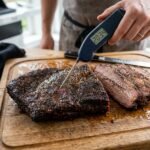
For a perfect sear, get your cast iron smoking hot, add a high smoke-point oil, and give each side about 3-4 minutes. Finish with butter, garlic, and fresh thyme. If you want to nail the right internal temperature for your steak, use an instant-read thermometer — pull it off the heat about 5°F before your target temp because carryover cooking will get you the rest of the way.
Porterhouse Requires More Attention
Cooking a porterhouse well takes a bit more skill and strategy. You’re managing two different muscles at the same time, and that bone creates hot and cold spots.
The best approach for porterhouse is the reverse sear method. Start low in the oven at around 250°F until the internal temp hits about 110-115°F, then finish with a blazing hot sear in a cast iron pan or over direct heat on the grill. This way, both sides of the steak cook more evenly before you put that final crust on it.
If you’ve never used a meat thermometer and aren’t sure how to get an accurate read near the bone, check out this guide on how to read a meat thermometer properly. Bone-in steaks can give you misleading readings if you probe too close to the bone itself.
Size, Servings, and Value for Money
Here’s something worth thinking about before you order or buy.
A typical ribeye steak weighs between 10 to 16 ounces. That’s a solid single serving for a hungry adult — or enough for two people if you’re slicing it up for a shared dinner.
A typical porterhouse weighs between 20 to 28 ounces, sometimes even more. That’s a lot of meat. At a steakhouse, a porterhouse is often listed as a “steak for two” and priced accordingly — sometimes $80-120 at higher-end places.
So which gives you better value? It depends on how you look at it.
Pound for pound, ribeye usually costs a bit more because it’s almost entirely usable, flavorful meat. Porterhouse might seem like a deal because you’re getting that tenderloin included, but you’re also paying for that big bone — which adds weight but not eating pleasure.
If you’re feeding one person, a ribeye makes more sense. If you’re sharing or want the experience of cutting through a massive steak with two different flavors, the porterhouse delivers that theatrical wow factor.
Quick Fact: The porterhouse name reportedly comes from 19th-century porter houses (bars that served dark beer called “porter” alongside big steaks). Whether that’s fully true is debated, but the name stuck.
Porterhouse Vs Ribeye for Grilling — Which Performs Better?
Grilling is where these two cuts really show their differences.
Ribeye on a grill is straightforward. You’ll get flare-ups from the fat dripping onto the coals or burners, so keep an eye out and be ready to move the steak to a cooler zone if flames get aggressive. But that fat is also what creates those incredible charred, caramelized edges that make grilled ribeye so addictive.
Porterhouse on a grill is trickier. The uneven thickness and the bone mean you need a two-zone fire — one side screaming hot for the sear, one side cooler for finishing. You also want to monitor both sides of the bone separately with your thermometer. The strip side can handle more heat; the tenderloin side can go from perfect to overdone in just a couple of minutes.
If you love grilling thick cuts and want to learn more about working with premium beef on the grill, the techniques in this guide on grilling top round steak will sharpen your skills — even though it’s a different cut, the heat management principles carry over.
Which Grade Should You Buy?
Both porterhouse and ribeye steaks come in USDA grades, and the grade you choose makes a real difference — especially with ribeye.
USDA Prime is the top tier, with the most marbling. For ribeye, Prime grade is spectacular because that already well-marbled cut gets even more fat webbed through it. For porterhouse, Prime makes the strip side better but doesn’t change the tenderloin as dramatically (tenderloin is naturally lean regardless of grade).
USDA Choice is the sweet spot for most home cooks. It’s significantly cheaper than Prime, and with the right cooking technique, a Choice ribeye can taste almost as good. Choice porterhouse is perfectly respectable too.
If you’re curious about how grading affects another popular beef cut, this comparison of Prime vs Choice brisket explains the grading system in a way that applies to all beef.
Select grade? Skip it for both cuts. At this price point, you want enough marbling to justify the investment. Select grade steaks are leaner and dry out faster — the opposite of what you want from a porterhouse or ribeye.
Pairing and Seasoning: Keep It Simple
Both of these cuts are premium beef. You don’t need to drown them in marinades or heavy rubs. The meat should be the star.
For ribeye, coarse salt and freshly cracked black pepper are honestly all you need. If you want to level up, add garlic powder and a tiny pinch of smoked paprika before searing. Finish with a compound butter (butter mixed with minced garlic, fresh herbs, and a squeeze of lemon).
For porterhouse, same philosophy — keep it simple. Salt the steak generously about 45 minutes before cooking and leave it uncovered in the fridge. This draws moisture to the surface, which then gets reabsorbed along with the salt, and the dry surface gives you a better crust during the sear.
Did You Know? That technique of salting ahead of time is called dry brining. It works on pretty much every thick cut of meat. If you’ve wondered about brining bigger cuts like brisket, here’s a helpful read on whether you should brine brisket and how it changes the outcome.
As for what to serve alongside, both steaks pair well with roasted vegetables, a loaded baked potato, or a simple green salad. Nothing too complex — you’re eating a $40+ steak, let it shine.
Storing Leftover Steak the Right Way
If you somehow have leftover porterhouse or ribeye (it happens more with porterhouse because of the sheer size), you’ll want to store it properly so it doesn’t dry out.
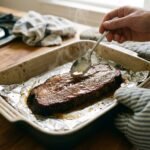
Wrap the leftover steak tightly in foil or place it in an airtight container and refrigerate it within two hours of cooking. Use the right wrapping material — butcher paper and parchment paper both work, but each has its advantages depending on how long you’re storing.
Properly stored, cooked steak stays good in the fridge for about 3-4 days. For reheating, a low oven (around 250°F) works best. Avoid the microwave if you can — it tends to turn that beautiful crust into a rubbery mess.
So, Porterhouse or Ribeye — Which Should You Pick?
There’s no single right answer here, but there IS a right answer for YOUR specific situation.
Go with a ribeye if:
You’re cooking for yourself or one other person. You want maximum beef flavor in every bite. You prefer a steak that’s easier to cook evenly. You enjoy rich, well-marbled meat and don’t mind a fattier cut.
Go with a porterhouse if:
You’re sharing with someone or want two different steak experiences on one plate. You love the visual drama of a big, bone-in steak. You enjoy the contrast between a tender filet and a flavorful strip. You’re comfortable managing a slightly more challenging cook.
Both are excellent cuts. You really can’t go wrong with either — as long as you don’t overcook them. Buy the best grade you can afford, season simply, use a thermometer, and give the meat a proper rest before cutting into it (5-7 minutes minimum).
FAQs
Is porterhouse better than ribeye?
Not better, just different. Porterhouse gives you two steak experiences in one (strip and tenderloin), while ribeye offers more consistent flavor and marbling throughout. Your preference depends on whether you value variety or pure beefy richness. Most chefs and butchers will tell you ribeye edges ahead on flavor alone, but porterhouse wins on versatility and presentation.
Why is porterhouse steak so expensive at restaurants?
Porterhouse steaks are large — often 24 ounces or more — and include a tenderloin portion, which is one of the most expensive cuts of beef. Restaurants also price in the presentation factor. It’s a showpiece steak, often served on a sizzling plate or a wooden board, and that experience is part of what you’re paying for. At home, the price difference between porterhouse and ribeye per pound is actually smaller than most people expect.
Can you cook porterhouse and ribeye the same way?
You can use the same general methods (grilling, pan-searing, reverse searing), but you’ll need to adjust your approach for the porterhouse. The two different muscles and the bone mean uneven cooking, so techniques like reverse searing or using indirect heat work better. Ribeye is more straightforward — a hot pan or grill and a few minutes per side will get you a great result without much fuss.
Which steak has more fat — porterhouse or ribeye?
Ribeye has significantly more fat overall, both in terms of marbling (intramuscular fat) and the external fat cap. The porterhouse’s strip side has moderate marbling, but the tenderloin side is quite lean. If you’re watching fat intake, the tenderloin portion of a porterhouse is the leaner option. If you want maximum flavor from rendered fat, ribeye is your cut.
Your next steak night doesn’t have to involve guesswork. Pick the cut that fits your mood, your crowd, and your confidence level at the grill or stove. And whatever you choose — please, use a thermometer. Your taste buds (and your wallet) will thank you.