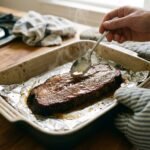
Top round steak has a bit of a bad reputation. A lot of home cooks think it’s too lean, too tough, and just not worth grilling. But here’s the thing — when you handle it right, this affordable cut can genuinely surprise you with how flavorful and satisfying it turns out on the grill.
The problem isn’t really the steak. It’s how people cook it. They skip the marinade, crank up the heat, and leave it on the grill way too long. Then they wonder why it tastes like shoe leather. Sound familiar?
If you’ve got a top round steak sitting in your fridge and you’re not sure how to make it work, you’re in the right place. I’m going to walk you through everything — from choosing the right cut to slicing it for maximum tenderness. No fancy equipment needed, no complicated techniques. Just solid, practical grilling advice that actually works.
What Exactly Is Top Round Steak?
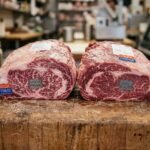
Before you fire up the grill, it helps to understand what you’re working with. Top round comes from the rear leg of the cow — the round primal cut. This muscle does a lot of work while the animal is alive, which means it’s packed with beefy flavor but also has less fat marbling compared to cuts like ribeye or New York strip.
Think of it this way: a ribeye is like butter — rich, fatty, and forgiving even if you overcook it a little. Top round is more like a lean athlete. It’s got great muscle, great flavor, but almost no fat cushion to save you if you mess up the cooking.
That’s why technique matters so much with this particular cut. You can’t just throw it on the grill and walk away. But don’t let that scare you. Once you understand the basics, grilling top round steak becomes surprisingly straightforward.
Quick fact: Top round is one of the most budget-friendly beef cuts you’ll find at the butcher counter. It typically costs 40–50% less per pound than premium steaks, making it a smart pick for families or anyone grilling for a crowd.
If you’re curious about how different beef cuts compare, check out this guide on ground sirloin vs ground beef — it’s a helpful read for understanding beef quality and grades.
Why Marinating Is Non-Negotiable
I’m going to be straight with you — if you skip the marinade on a top round steak, you’re setting yourself up for disappointment. This isn’t a richly marbled cut that can coast on its own fat content. It needs help, and a good marinade does two critical things.
First, it tenderizes the meat. Acidic ingredients like lemon juice, vinegar, or even yogurt break down some of the tough muscle fibers on the surface. They won’t turn a round steak into filet mignon, but they make a noticeable difference in how easy it is to chew.
Second, it adds flavor deep into the meat. Since top round is lean, it absorbs marinades really well. The lack of fat means there’s less “barrier” between the liquid and the muscle fibers. So the flavors actually penetrate better than they would on a fattier cut.
A Simple Marinade That Works Every Time
You don’t need a dozen ingredients. Here’s a straightforward combination that I’ve used for years:
Take about ¼ cup of olive oil, 3 tablespoons of soy sauce, 2 tablespoons of Worcestershire sauce, juice from one lemon, 4 minced garlic cloves, a teaspoon of black pepper, and a teaspoon of smoked paprika. Mix it all together, pour it over your steak in a zip-lock bag or shallow dish, and let it sit in the fridge.
How Long Should You Marinate?
This is where people often go wrong. A 30-minute marinade barely touches the surface. For top round, you want a minimum of 4 hours, and ideally 8 to 12 hours. Overnight is perfect if you can plan ahead.
One word of caution though — don’t go past 24 hours. Too much time in an acidic marinade can actually make the outer layer mushy and mealy. There’s a sweet spot, and 8–12 hours is right in the middle of it.
Pro Tip: Pull your marinated steak out of the fridge about 30–45 minutes before grilling. Letting it come closer to room temperature helps it cook more evenly. A cold steak straight from the fridge will sear on the outside while staying raw in the center.
Preparing Your Grill the Right Way
A lot of grilling mistakes happen before the steak even touches the grate. Your grill setup makes a huge difference, especially with a lean cut like top round.
Setting Up Two-Zone Heat
This is probably the most important grilling concept you’ll learn, and it applies to way more than just top round. Two-zone heat means you create one area of high, direct heat and one area of lower, indirect heat on your grill.
On a charcoal grill, pile all your coals on one side. The other side stays empty. On a gas grill, turn one set of burners to high and leave the other side on low or completely off.
Why does this matter? Because top round is lean and relatively thick. If you only use direct high heat, the outside will char before the inside reaches the right temperature. With two zones, you sear over direct heat for that beautiful crust, then move the steak to the cooler side to finish cooking gently.
Clean and Oil the Grates
Sticky grates are the enemy of a good sear. Once your grill is hot, scrub the grates with a wire brush. Then fold a paper towel, dip it in vegetable oil, and use tongs to rub it across the grates. This creates a non-stick surface that helps you get those gorgeous grill marks without tearing the meat.
Your grill should be preheated for at least 10–15 minutes before the steak goes on. You want those grates screaming hot for the initial sear. On a gas grill, aim for a surface temperature around 450–500°F on the direct heat side.
How To Grill Top Round Steak — Step by Step
Alright, here’s where everything comes together. Your steak is marinated, your grill is hot, and you’re ready to cook. Let’s walk through it.
Step 1: Pat the Steak Dry
I know this sounds counterintuitive after you spent hours marinating. But moisture on the surface of the steak creates steam, and steam prevents browning. You want a sear, not a steam bath. Take the steak out of the marinade and pat it dry on all sides with paper towels.
Give it a light sprinkle of coarse salt right before it goes on the grill. The marinade already has seasoning in it, so you don’t need much — just a pinch to help with crust formation.
Step 2: Sear Over Direct Heat
Place the steak directly over the hot zone of your grill. Don’t touch it, don’t move it, don’t press it down with a spatula. Just let it sit there and do its thing.
Give it 3–4 minutes per side for the sear. You’re looking for a deep brown crust with some char spots. If the steak is sticking to the grate when you try to flip it, it’s not ready — give it another minute. A properly seared steak will release on its own.
Step 3: Move to Indirect Heat
Once both sides have a good sear, move the steak to the cooler side of the grill. Close the lid. This is where the inside catches up to the outside.
How long this takes depends on the thickness of your steak and your target doneness. For a steak that’s about 1 inch thick, you’re looking at roughly 5–8 minutes on indirect heat to reach medium-rare. Thicker cuts need more time.
And this brings us to the most important part…
Step 4: Use a Meat Thermometer
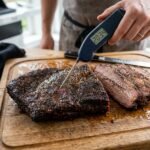
I can’t stress this enough. With a lean cut like top round, you have a very narrow window between perfectly cooked and overcooked. You don’t want to guess. An instant-read meat thermometer takes all the uncertainty out of the equation.
Here are your target temperatures (measured at the thickest part of the steak):
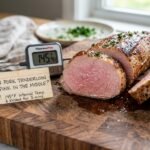
Medium-rare: 130–135°F — This is the sweet spot for top round. The meat stays pink, juicy, and tender.
Medium: 135–145°F — Still acceptable, but you’ll notice it starting to firm up.
Beyond medium: Don’t do it. Seriously. Top round above 150°F turns dry and tough very quickly because there’s no fat to keep things moist.
If you’re not sure how to get an accurate reading, this guide on how to read a meat thermometer breaks it down really well. And for a deeper look at doneness levels across different steaks, the steak doneness guide is worth bookmarking.
Pro Tip: Pull your steak off the grill about 5°F before your target temperature. The internal temp will continue rising during the resting period. This is called carryover cooking, and ignoring it is one of the most common reasons people overshoot their desired doneness.
The Resting Period — Don’t Skip This
You’ve grilled a beautiful steak. It smells incredible. Every instinct tells you to cut into it right now. Resist that urge.
When steak cooks, the muscle fibers tighten up and push moisture toward the center. If you slice into it immediately, all that juice runs out onto your cutting board instead of staying in the meat. Resting gives those fibers time to relax and reabsorb the liquid.
For top round, rest the steak for 8–10 minutes under a loose tent of aluminum foil. Not wrapped tight — just loosely draped on top. Tight wrapping creates steam and softens that sear you worked so hard to build.
Think of it like letting a pot of tea steep. The brewing already happened, but the flavors need a few minutes to settle and distribute evenly. Same concept with steak.
How You Slice It Changes Everything
Here’s something that can make or break your entire top round experience, and a lot of people don’t even think about it. You need to slice against the grain.
Look at your cooked steak. You’ll see lines running through the meat — those are the muscle fibers (the grain). If you cut parallel to those lines, each bite will be full of long, intact fibers that are tough to chew. But if you cut perpendicular to them — against the grain — you’re shortening those fibers, and every slice practically falls apart in your mouth.
Use a sharp knife (this matters more than you think) and cut at a slight angle in thin slices, about ¼ inch thick. Thin slices against the grain can make a properly cooked top round feel almost as tender as much pricier cuts.
This same slicing principle applies to other lean cuts too. If you’ve ever worked with flank steak, the technique is identical. Check out this piece on flank steak done temperature if you want to compare how different lean cuts behave on the grill.
Best Seasoning and Flavor Combinations
While I shared a reliable all-purpose marinade earlier, top round is like a blank canvas — it takes on different flavors beautifully. Here are a few directions you can take it depending on what mood you’re in.
Asian-Inspired
Swap the Worcestershire for 2 tablespoons of rice vinegar and add a tablespoon of sesame oil, a tablespoon of honey, and some fresh ginger. This one pairs perfectly with grilled vegetables and rice. The sweetness from the honey also helps with caramelization on the grill.
Southwestern
Use lime juice instead of lemon, add a tablespoon of cumin, some chipotle powder, and a handful of fresh cilantro. This version is fantastic sliced thin for tacos or fajitas. Top round’s lean character actually works in your favor here because you don’t want greasy taco meat.
Classic Steakhouse
Keep it simple. Coarse salt, cracked black pepper, garlic powder, and a touch of onion powder. Rub the steak with these dry seasonings and let it sit uncovered in the fridge for a few hours. Sometimes the simplest approach lets the beef flavor speak for itself.
Common Mistakes That Ruin Top Round on the Grill
I’ve watched a lot of people struggle with this cut, and the mistakes tend to be the same ones repeated over and over. Let me save you the trouble.
Grilling it past medium is the number one offender. I know some people prefer well-done steak, and that’s fine with fattier cuts. But with top round, anything beyond medium turns into a dry, chewy experience that no amount of steak sauce can fix. If you absolutely need your steak well-done, top round isn’t the cut for you — pick something with more marbling.
Not letting the grill get hot enough is another big one. A lukewarm grill won’t sear properly. Instead of a flavorful crust, you end up with a grey, steamed exterior. Get that grill ripping hot before the steak goes on.
Cutting into the steak to check doneness is tempting but creates a hole for juices to escape. Use a thermometer instead. That’s why I emphasized it earlier — it’s truly the difference between a good result and a great one.
Slicing too thick or with the grain can undo all your hard work in the marinating and grilling stages. Even a perfectly cooked top round will feel tough if you cut half-inch slabs with the grain.
What To Serve With Grilled Top Round Steak
A great steak deserves sides that complement it without competing for attention. Since top round has a clean, beefy flavor without a lot of richness, it pairs well with sides that bring some fat, acid, or both.
Grilled asparagus with a squeeze of lemon works beautifully. A loaded baked potato adds the richness the steak itself doesn’t have. A simple arugula salad with shaved parmesan and balsamic vinaigrette brings a peppery bite that cuts through the meatiness.
For something more casual, sliced grilled top round is perfect in a warm tortilla with pickled onions, cilantro, and a good salsa verde. It also makes excellent sandwiches — pile thin slices on a crusty hoagie roll with horseradish cream and caramelized onions.
If you’re planning a bigger cookout with multiple proteins, top round works well alongside other grilled items. Something like a turkey burger gives guests a lighter option, while having both shows off your range as a grill master.
Can You Smoke Top Round Instead of Grilling?
Short answer — yes, but it’s a different game. Smoking uses low, indirect heat over a long period, which can work for top round if you treat it more like a roast than a steak.
The key is keeping the smoker temperature around 225–250°F and pulling the meat at an internal temp of about 130°F for medium-rare. Since there’s minimal fat to render, you don’t benefit from the long cooking times the way you would with brisket or pork shoulder.
If you’re interested in smoking techniques, the guide on smoking at 225°F has some great temperature management tips that apply to any cut. And understanding tri-tip internal temperature can also help since tri-tip is another lean cut that requires similar care.
For most people grilling at home, though, the direct sear plus indirect finish method I described above is going to give you the best results with the least fuss. Smoking top round is more of an experiment for when you’re feeling adventurous.
FAQ
What temperature should I grill top round steak?
Aim for a grill surface temperature of 450–500°F for the searing phase. For the steak’s internal temperature, pull it off at 125–130°F and let carryover cooking bring it to 130–135°F (medium-rare). This is the ideal doneness for top round because the lean meat dries out quickly past the medium stage.
How long do you grill a 1-inch top round steak?
For a 1-inch thick top round steak, plan on about 3–4 minutes per side over direct high heat for the sear, followed by 5–8 minutes on the indirect heat side with the lid closed. Total cooking time is roughly 12–16 minutes, but always use a meat thermometer rather than relying on time alone. Thickness, starting temperature, and grill variations all affect the actual cooking time.
Is top round steak good for grilling?
It absolutely can be — with the right approach. Top round isn’t naturally tender like a ribeye, so you need to marinate it for several hours, avoid overcooking it past medium, and slice it thin against the grain. When you do all three of those things, grilled top round delivers excellent beefy flavor at a fraction of the cost of premium steaks. It’s one of the best value cuts for the grill.
How do I keep top round steak from getting tough?
Three things make the biggest difference. Marinate for 8–12 hours to break down surface fibers and add moisture. Cook it to medium-rare (130–135°F internal) — going beyond medium is where top round crosses the line from tender to tough. And slice thin against the grain after a proper 8–10 minute rest. Any one of these steps helps, but doing all three together is what really transforms this cut.
Can I grill top round steak without marinating?
You technically can, but I wouldn’t recommend it. Without a marinade, top round’s lean nature means it’ll taste dry and one-dimensional. If you’re truly short on time, at the very least coat it with olive oil and a generous dry rub, then let it sit for an hour at room temperature. It won’t be the same as a proper overnight marinade, but it’s better than going in completely bare.
Your Next Cookout Just Got Better
Top round steak doesn’t get the respect it deserves. While everyone fights over ribeyes and filet mignons at the butcher counter, this humble cut sits there waiting for someone who knows what to do with it. And now, that someone is you.
The recipe for success is really just three principles: marinate it long enough, don’t overcook it, and slice it right. Everything else — the two-zone grilling setup, the resting period, the seasoning variations — those are all in service of those three core ideas.
Next time you’re at the grocery store and you see top round priced at half the cost of those fancier steaks, grab it with confidence. Fire up your grill, follow the steps we talked about, and watch the look on your guests’ faces when they taste what a “budget cut” can do. That reaction alone makes it worth every minute of prep.