Most people grab a pack of ground beef at the grocery store without ever flipping it over or reading the label closely. It says “ground beef,” it looks red, it’s affordable — done. But then you spot another package right next to it that says “ground sirloin,” and it costs a couple of dollars more. Same red meat, roughly the same look. So what gives?
The difference between ground sirloin and regular ground beef isn’t just a marketing trick. It comes down to where the meat comes from on the cow, how much fat it carries, how it cooks, and honestly — how your final dish tastes. If you’ve ever had a burger that shrunk to half its size on the grill, or a meatloaf that turned out dry and crumbly, the type of ground meat you used probably played a bigger role than you realize.
Let’s break this down in a way that actually helps you make a smarter choice next time you’re standing in front of that meat case.
What Exactly Is Ground Sirloin?
Ground sirloin comes from the sirloin primal cut — that’s the rear back portion of the cow, right behind the short loin. This area does a decent amount of work during the animal’s life, which means the meat is naturally leaner and has a slightly firmer texture compared to fattier cuts.
When a butcher or meat processor grinds sirloin, they’re grinding a specific cut from a specific part of the cow. That’s the key distinction. The USDA requires that any ground meat labeled with a cut name (like “ground sirloin” or “ground chuck”) must come exclusively from that particular primal cut. No mixing in random trim from other parts.
Typical fat content: Ground sirloin usually falls around 90/10 — meaning 90% lean meat and 10% fat. Some brands go even leaner at 92/8 or 93/7.
The flavor profile is clean and beefy without heavy greasiness. If you’ve ever eaten a burger that tasted distinctly meaty but didn’t leave a pool of grease on the plate, there’s a good chance it was made with ground sirloin or a sirloin-dominant blend.
What Is Regular Ground Beef, Then?
Here’s where things get interesting. “Regular ground beef” — the kind that just says “ground beef” on the label without specifying a cut — can come from any combination of beef trimmings from anywhere on the cow. Shoulder, chuck, round, plate, brisket, shank — all fair game.
The USDA allows ground beef to contain fat from multiple primal cuts, as long as the final product doesn’t exceed a certain fat percentage. And regular ground beef tends to sit on the fattier side, typically around 70/30 to 80/20 (70–80% lean, 20–30% fat).
That extra fat isn’t necessarily a bad thing. Fat carries flavor. Fat keeps meat moist. Fat is what makes a cheap diner burger taste so ridiculously good even though the cook didn’t do anything fancy. But it also means more shrinkage, more grease, and more calories per serving.
Think of regular ground beef as a “mixed bag” — literally. You don’t know exactly which cuts went into it, and the composition can vary from brand to brand, batch to batch.
The Fat Factor — Why It Matters More Than You Think
Fat percentage is the single biggest practical difference between ground sirloin and regular ground beef, and it ripples through everything else: taste, texture, cooking behavior, nutrition, and even which recipes work best.
Let’s put some real numbers on the table. A 4-ounce raw serving (roughly one burger patty) of 80/20 ground beef contains about 280 calories and 23 grams of fat. That same 4-ounce serving of 90/10 ground sirloin drops to roughly 200 calories and 11 grams of fat. That’s a meaningful difference if you’re watching your intake, and it adds up fast across a week of meals.
But here’s the part most articles skip over: fat percentage changes how you need to cook the meat. A fattier ground beef is much more forgiving. You can overcook it slightly and still end up with something juicy because all that melting fat keeps the interior moist. Ground sirloin, with its lower fat content, gives you a shorter window. Overcook it by even a couple of minutes, and you’ll notice the dryness.
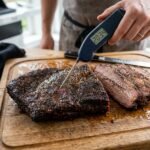
This is exactly why checking your hamburger internal temperature with a good thermometer matters. The USDA recommends ground beef reach 160°F internally for safety, but hitting that number precisely — instead of blasting past it — is what separates a juicy sirloin burger from a hockey puck.
Flavor and Texture: The Side-by-Side Experience
If you’ve ever done a blind taste test between a 90/10 and an 80/20 burger, the difference is pretty obvious.
Ground sirloin gives you a tighter, meatier bite. The beef flavor is front and center because there’s less fat diluting it. The texture is slightly firmer — not tough, but you can tell you’re eating something with more structure. Some people describe it as “cleaner tasting.”
Regular ground beef (especially 80/20 or 73/27) produces a juicier, richer, almost buttery experience. The fat renders during cooking and bastes the meat from the inside out. The texture is looser, more tender, sometimes bordering on crumbly if the fat content is really high. It’s indulgent in the way comfort food should be.
Neither one is objectively “better.” It depends entirely on what you’re making and what you’re after. A fine dining steakhouse burger? Ground sirloin, maybe blended with a touch of chuck for balance. A backyard cookout patty meant to drip down your chin? Go 80/20 all day.
Best Uses for Ground Sirloin
Ground sirloin shines in dishes where you want the meat to hold its shape and where excess grease would be a problem.
Stuffed peppers and stuffed vegetables are a perfect example. You’re cooking the meat inside a container — the pepper itself — so if the beef releases a ton of fat, your stuffed pepper turns into a greasy, soggy mess. Lean ground sirloin keeps things clean and structured.
Meatballs for soups and broths also benefit from sirloin. Nobody wants oily slicks floating across their Italian wedding soup. Using sirloin keeps the broth clear and the meatballs firm enough to hold up without falling apart.
If you’re making meatloaf, ground sirloin works well too — but you’ll want to compensate for the lower fat by adding moisture through ingredients like egg, breadcrumbs soaked in milk, or even a bit of grated onion. A meatloaf made from pure sirloin without any moisture boosters can end up dry and dense.
Tacos and taco bowls are another sweet spot. You brown the meat, drain it (though there won’t be much to drain), season it, and serve it over rice, lettuce, or in tortillas. The clean, tight texture of ground sirloin holds seasoning beautifully without turning into a greasy puddle at the bottom of your bowl.
Pro Tip: If you’re cooking ground sirloin as burger patties, make a small thumbprint indent in the center of each patty before grilling. Lean burgers tend to puff up in the middle as they cook, and the indent counteracts that, giving you a flat, evenly cooked result.
Best Uses for Regular Ground Beef
Regular ground beef is the workhorse of home cooking for a reason. Its higher fat content makes it incredibly versatile and almost foolproof.
Burgers are the obvious winner here. Most burger experts — from backyard grillers to restaurant chefs — swear by 80/20 as the ideal ratio for patties. The fat renders slowly, keeps the patty moist during high-heat cooking, and creates that caramelized crust on the outside that you just can’t replicate with lean meat. Want to nail a good burger? Start with 80/20 and make sure you’re reading your meat thermometer correctly so you hit 160°F without overdoing it.
Chili and slow-cooked stews are another natural fit. The long cooking time allows the fat to meld into the sauce, adding body and richness. If you use lean ground sirloin in a three-hour chili, the meat dries out and gets stringy. Ground beef stays tender and integrated with the sauce.
Casseroles and pasta bakes benefit from regular ground beef too. Dishes like lasagna, baked ziti, or shepherd’s pie need that fat to create a cohesive, rich filling. Lean meat in a lasagna often ends up feeling like an afterthought rather than a star ingredient.
Sloppy joes, Bolognese sauce, and even homemade dog treats — regular ground beef handles them all because the extra fat delivers moisture and flavor that lean cuts just can’t match.
Price Difference — Is Ground Sirloin Worth the Extra Cost?
Let’s talk money, because that’s usually the real deciding factor at the store.
As of 2025, regular ground beef (80/20) averages somewhere between $4.50 to $6.00 per pound at most U.S. grocery stores, depending on your region and whether it’s conventional or grass-fed. Ground sirloin (90/10) typically runs $6.00 to $8.50 per pound — roughly $1.50 to $2.50 more.
That premium buys you a leaner product from a specific, higher-quality cut. But here’s a detail worth considering: ground sirloin shrinks less during cooking. An 80/20 patty can lose 25–30% of its weight as fat renders out. A 90/10 patty might only lose 10–15%. So you’re actually getting more cooked meat per pound with sirloin, which partially offsets the higher price tag.
If budget is tight and you’re feeding a crowd, regular ground beef is the smarter buy for most recipes. But if you’re making four burger patties for a weeknight dinner and you care about the nutritional profile, the extra $2–3 for a pound of ground sirloin is probably worth it.
Nutrition Comparison: A Closer Look
People shopping for ground sirloin are often doing it for health reasons, so let’s get specific.
For a 4-ounce (113g) raw serving:
Ground sirloin (90/10) — roughly 200 calories, 11g fat, 0g carbs, 23g protein. About 4.5g of that fat is saturated.
Regular ground beef (80/20) — roughly 280 calories, 23g fat, 0g carbs, 19g protein. Around 9g saturated fat.
The protein difference is notable too. Ounce for ounce, ground sirloin delivers more protein and less fat. If you’re tracking macros, doing meal prep, or following a higher-protein diet, sirloin is the obvious pick.
But if you’re making a single indulgent meal on a Saturday night — say, smash burgers with cheese — worrying about the fat difference in one serving is probably overthinking it. Context matters. Your overall eating pattern over weeks and months matters way more than a single meal.
What About Ground Chuck and Ground Round?
You might’ve noticed other labels at the store — ground chuck, ground round, ground sirloin — and wondered where they all fall on the spectrum. Quick overview:
Ground chuck comes from the shoulder area. It’s the sweet spot for most people: 80/20 to 85/15 lean-to-fat ratio, great beefy flavor, very popular for burgers. If you’ve read about the differences between a shoulder roast and a chuck roast, you already know the shoulder region has a nice balance of fat and muscle.
Ground round comes from the rear leg. It’s leaner than chuck, usually around 85/15 to 90/10, but can be a bit less flavorful because the round is a hard-working muscle with less marbling.
Ground sirloin is the leanest of the named-cut options at 90/10 or leaner, with a clean, beefy flavor that falls between chuck’s richness and round’s leanness.
Plain “ground beef” can be a blend of any of these and more — it’s the wild card.
If you’re picking between them for burgers specifically, most experienced grillers rank ground chuck as the sweet spot. For health-conscious cooking, ground sirloin takes the crown.
Cooking Tips That Actually Make a Difference
Knowing which type of ground beef to buy is only half the battle. How you handle it in the kitchen matters just as much.
Don’t overwork the meat. This applies to both ground sirloin and regular ground beef, but it’s especially critical with sirloin. When you knead, press, and squish ground meat too aggressively while forming patties or meatballs, you compress the proteins and squeeze out moisture. The result? Dense, tough, rubbery meat. Mix your seasonings in gently, form your patties with a light touch, and stop handling the meat the moment it holds together.
Season generously. Lean ground sirloin needs a bit more seasoning than fattier beef because fat amplifies flavor. A pinch more salt, a dash of Worcestershire sauce, or some grated garlic can bridge the flavor gap.
Use the right heat. High heat works great for fattier ground beef — you get a nice sear and the fat keeps things juicy. For ground sirloin, medium-high heat is safer. It gives the exterior time to brown without overcooking the interior.
Always check the internal temperature. I keep saying this because it genuinely makes the biggest difference. Ground beef of any kind should hit 160°F for food safety, and a reliable meat thermometer is the only way to know for sure. Guessing by color isn’t accurate — ground beef can look brown before it’s safe or look pink even when it’s fully cooked.
If you’re making turkey burgers instead, the rules are even stricter because poultry carries different risks. But for beef, 160°F is your number.
Can You Blend Them Together?
Absolutely — and honestly, blending is one of the best-kept secrets of good home cooking with ground meat.
A lot of restaurants and experienced home cooks use a blend of ground sirloin and ground chuck (or even ground sirloin with regular ground beef) to get the best of both worlds. You get the lean, clean flavor of sirloin with enough fat from the chuck or regular beef to keep things moist and flavorful.
A common ratio is 50/50 sirloin and chuck, which lands you somewhere around 85/15 total. It’s lean enough to feel good about eating, but fatty enough to cook forgivingly and taste rich.
You can buy each type separately and mix them at home. Just combine them in a bowl with your seasonings, give it a gentle mix (remember — don’t overwork it), and form your patties or meatballs. This blend approach works especially well for burgers, meatloaf, and Bolognese sauce where you want both flavor depth and a reasonable fat content.
Storage and Shelf Life — Same Rules Apply
Whether it’s ground sirloin or regular ground beef, the storage guidelines are identical because the safety risks are the same.
In the fridge: Use within 1 to 2 days of purchase. Ground meat has more surface area exposed to bacteria than whole cuts, so it spoils faster. If it smells sour or feels slimy, toss it — don’t risk it.
In the freezer: Ground beef (any type) stays safe indefinitely when frozen at 0°F, but quality is best within 3 to 4 months. After that, freezer burn starts affecting taste and texture.
After cooking: Cooked ground beef lasts 3 to 4 days in the fridge, stored in an airtight container. This applies the same way as cooked steak fridge life — the clock starts ticking the moment the meat cools down.
Quick Tip: If you buy ground beef in bulk, portion it into individual meal-sized amounts before freezing. It thaws faster, wastes less, and you won’t have to defrost a giant block just to make Tuesday night tacos.
Grass-Fed vs. Grain-Fed — Does It Matter Here?
This is a separate conversation, but it intersects with the ground sirloin vs. ground beef debate because grass-fed options exist for both.
Grass-fed ground beef (whether sirloin or regular) tends to be leaner overall, with a slightly different fatty acid profile — more omega-3s and conjugated linoleic acid (CLA) compared to grain-fed. The flavor is often described as “earthier” or “gamier,” which some people love and others find too strong.
Grain-fed ground beef has more marbling, a milder flavor, and is generally cheaper.
If you’re already choosing ground sirloin for its leanness, going grass-fed takes that leanness even further. Just be aware that a grass-fed 90/10 ground sirloin patty will cook even faster and dry out even more easily than its grain-fed counterpart. Adjust your cooking time and temperature accordingly.
So, Which One Should You Buy?
It depends on three things: what you’re cooking, what your health goals are, and what your budget looks like.
If you’re grilling burgers for a weekend cookout and you want maximum flavor with minimum fuss, grab 80/20 ground beef or ground chuck. Don’t overthink it.
If you’re meal-prepping taco bowls, making stuffed peppers, cooking a leaner meatloaf, or just trying to cut back on saturated fat, ground sirloin is the smarter pick. Pay the extra couple of dollars per pound — your body (and your dishes) will thank you.
If you want the best of both worlds, buy one pound of each, blend them, and enjoy a custom mix that gives you great flavor without excessive fat.
And no matter which one you choose, always cook it to the right temperature, don’t overhandle it, and season it properly. Those three things matter more than the label on the package.
FAQ
Is ground sirloin healthier than regular ground beef?
Yes, gram for gram, ground sirloin is leaner — it has fewer calories, less total fat, and less saturated fat per serving compared to regular ground beef (which is typically 80/20 or 73/27). It also delivers slightly more protein per ounce. But “healthier” always depends on context. A single 80/20 burger won’t wreck your diet, and a poorly cooked sirloin patty that’s dry and tasteless might just send you straight to the drive-through.
Can I substitute ground sirloin for regular ground beef in any recipe?
You can, but you’ll need to make small adjustments. Recipes that rely on fat for moisture and flavor — like burgers, Bolognese, and chili — may taste leaner or drier if you swap in sirloin without adding extra moisture. A splash of broth, a tablespoon of olive oil, or an extra egg in meatloaf recipes can help compensate.
Why does ground sirloin cost more?
Because it comes from a specific primal cut (the sirloin), which is a more desirable section of the cow. Regular ground beef can be made from any trimmings, including less popular or cheaper cuts. You’re paying for the specificity and the leaner fat ratio.
Does ground sirloin taste different from regular ground beef?
Yes. Ground sirloin has a cleaner, more pronounced beefy flavor without the richness that fat provides. Regular ground beef — especially at 80/20 — tastes richer, juicier, and more indulgent. The difference is noticeable, especially in simple preparations like burgers where there aren’t heavy sauces or spices masking the meat’s natural flavor.
What’s the best ground beef for burgers?
Most chefs and experienced grillers recommend 80/20 ground chuck as the gold standard for burger patties. It has enough fat to stay juicy on the grill and enough beefy flavor to stand on its own. Ground sirloin can make a good burger too, but you’ll need to be more careful not to overcook it.
Final Thoughts
Ground sirloin and regular ground beef both have a place in your kitchen — they just serve different purposes. Sirloin is your go-to for leaner, cleaner meals where you want the meat to hold its shape and keep the dish from getting greasy. Regular ground beef is the reliable choice for recipes where fat equals flavor and forgiveness.
The smartest move? Keep both in your freezer. Use sirloin for your weeknight healthy meals, use 80/20 for your weekend burger nights, and blend them together when you want something in between. Once you understand how each one behaves, you’ll stop guessing at the meat counter and start buying with confidence.