You spent 12+ hours smoking that brisket. Low and slow, checking the temperature, spritzing it, wrapping it at just the right moment. And it came out perfect — juicy, tender, with that beautiful bark. Now it’s the next day, you pull the leftovers from the fridge, and within minutes of reheating, it turns into something that resembles shoe leather. Dry, tough, and honestly a little heartbreaking.
That’s the frustration most people face. The brisket itself was great. The reheating ruined it. And here’s the thing — it doesn’t have to be this way. Reheating brisket without drying it out isn’t complicated. You just need to understand why it dries out and then use a method that works against that.
This article is going to walk you through every reliable method to reheat brisket and keep it moist, whether you’re warming up a few slices for a sandwich or bringing an entire leftover flat back to life for dinner. No fluff. Just stuff that actually works.
Why Brisket Dries Out When You Reheat It
Before jumping into the methods, let’s talk about the real problem here. Understanding this changes everything about how you approach reheating.
Brisket is a tough cut of meat. It comes from the chest area of the cow, and it’s loaded with connective tissue and collagen. During the initial cook — especially if you smoke brisket at 225°F for hours — that collagen slowly breaks down into gelatin. That gelatin is what makes your brisket feel juicy and tender on your tongue. It’s not just the “water” in the meat. It’s the melted collagen holding everything together.
Now when you reheat brisket, two things can go wrong. First, if you apply too much direct heat too fast, the muscle fibers contract and squeeze out whatever moisture is left. Think of it like wringing out a sponge. Second, without any added moisture in the reheating environment, whatever liquid is on the surface evaporates quickly, leaving you with dry, cardboard-like meat.
So the goal with every reheating method is the same: gentle heat + added moisture + something to trap steam around the meat. That’s the formula. Every method below follows it in some way.
How To Store Leftover Brisket Before Reheating
This might sound like an odd section in a reheating article, but honestly? How you store your brisket determines how well it reheats. Mess this up, and no method will save you.
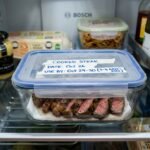
If you’re storing sliced brisket, put the slices in an airtight container and pour some of the pan drippings or au jus over them. Those drippings are liquid gold. They’re packed with rendered fat and gelatin that will rehydrate the meat when you warm it up. If you don’t have drippings, a little low-sodium beef broth works too.
If you’re storing a whole unsliced piece, that’s actually the better option. An unsliced brisket retains moisture far better than sliced pieces because there’s less surface area exposed to air. Wrap it tightly in plastic wrap, then again in aluminum foil, and refrigerate.
⚡ Pro Tip: If you know you’ll have leftovers, don’t slice the entire brisket after the initial cook. Only slice what you need for serving. Keep the rest as a whole piece. You’ll notice a massive difference in moisture when you reheat it later.
Brisket lasts about 3–4 days in the fridge and up to 2–3 months in the freezer if wrapped properly. If you’re reheating from frozen, let it thaw in the fridge overnight. Don’t try to reheat it straight from the freezer — you’ll end up with the outside overcooked and the inside still cold.
Reheating Brisket in the Oven (Best Overall Method)
If you ask most pitmasters and BBQ enthusiasts how they reheat brisket, the oven is almost always the first answer. It’s consistent, it’s gentle, and it gives you the most control over temperature.
Here’s exactly how to do it.
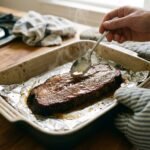
Preheat your oven to 250°F (120°C). That’s the sweet spot — warm enough to bring the brisket up to temperature, but low enough that it won’t squeeze the moisture out of the meat fibers. If you’re working with sliced brisket, lay the slices in an oven-safe dish in a single layer. Pour beef broth, au jus, or those saved pan drippings over the meat. You want about a quarter inch of liquid in the bottom of the dish. Not swimming, but enough to create steam.
Cover the dish tightly with aluminum foil. This is non-negotiable. The foil traps steam inside, creating a moist environment that gently warms the meat without letting the surface dry out. If you’re choosing between butcher paper and parchment paper for wrapping during the initial smoke, those same moisture-management principles apply here. Foil is your best bet for reheating because it seals in steam more effectively.
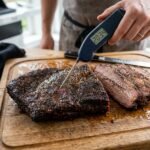
Slide the dish into the oven and heat for about 20–30 minutes for sliced brisket, or 45–60 minutes for a larger unsliced piece. You’re looking for an internal temperature of around 160–165°F. Use a reliable meat thermometer to check — don’t guess.
Once it hits that temperature, pull it out, let it rest for about 5 minutes with the foil still on, and then serve.
⚠️ Warning: Don’t crank the oven to 350°F or higher thinking it’ll be faster. It will be faster, sure, but you’ll also dry out the brisket in the process. The low-and-slow principle that made your brisket great in the first place applies to reheating too.
Reheating Brisket on the Smoker
Got your smoker still set up from the cook? Or maybe you just prefer that extra layer of smoke flavor? Reheating on the smoker works beautifully, and it can even add a little more smokiness to the bark.
Set your smoker to 225°F. If you’re using a pellet grill like a Pit Boss, make sure you’ve got the P-setting dialed in right for consistent temperature. Place your brisket — ideally still a whole unsliced piece — on the grate. If it’s sliced, put the slices in an aluminum pan with some broth, covered in foil, just like the oven method.
For whole pieces, you can place the wrapped brisket (in foil or butcher paper) directly on the grate. The wrapping retains moisture while the smoker gently brings it back up to temperature. This takes longer than the oven — typically 60–90 minutes for a decent-sized chunk — but the result is worth it.
One thing to be aware of: if you place unwrapped sliced brisket directly on the smoker grates, the smoke and air circulation will dry it out faster than an oven would. Always use a pan or foil wrap for sliced portions.
If you’re curious about when to wrap brisket during the original cook, those same moisture-preservation instincts should guide your reheating approach. Wrapping = moisture retention. It’s simple but powerful.
Reheating Brisket Using the Sous Vide Method
If you want the absolute most foolproof, consistent, “I literally cannot mess this up” method — sous vide is it. It’s not the fastest, but it gives you the most control and virtually zero chance of overcooking.
Here’s the idea. Sous vide cooks food by immersing it in a water bath held at a precise temperature. Since the water never gets hotter than your target temperature, the brisket can’t overcook. It will reach that temperature and just stay there.
Seal your brisket slices (or a chunk) in a vacuum-seal bag. If you don’t have a vacuum sealer, a zip-lock bag with the water displacement method works fine — just submerge the bag slowly in water to push the air out, then seal it. Add a splash of broth or drippings inside the bag before sealing.
Set your sous vide circulator to 150°F (65°C). Drop the bag in and let it sit for 1–2 hours for sliced brisket, or 2–3 hours for a thicker piece. The long time isn’t about cooking — it’s about gently and evenly bringing every part of the meat up to the same temperature without any hot spots.
When it’s done, take it out of the bag and serve. The brisket will taste remarkably close to how it did fresh off the smoker. Some people even say it tastes better reheated this way because the gelatin and juices redistribute so evenly.
Did You Know? Many competition BBQ teams cook their brisket a day ahead, chill it, and then reheat it sous vide before the judges taste it. That should tell you something about how effective this method is.
Reheating Brisket in the Microwave (When You’re in a Hurry)
Look, let’s be realistic. Sometimes you don’t have 45 minutes. Sometimes it’s Tuesday, you’re hungry, and you just want some brisket on your plate now. The microwave can work — but only if you do it right.
The biggest problem with microwave reheating is uneven heat. Microwaves heat food from the outside edges inward, and they can create crazy hot spots that turn parts of your brisket into jerky while other parts are still cold.
Here’s how to minimize the damage. Place your brisket slices on a microwave-safe plate in a single layer — don’t stack them. Drizzle a tablespoon or two of beef broth or water over the slices. Cover the plate with a damp paper towel. The damp towel creates a mini steam environment, which helps a lot.
Set your microwave to 50% power (medium). Heat for 30 seconds. Open the door, check the meat, flip or rearrange the slices. Heat for another 30 seconds. Keep doing this in short bursts until the brisket is warm throughout. It usually takes 2–3 minutes total, depending on the amount.
Will it be as good as the oven or sous vide method? No. But it’ll be decent, and it beats eating cold brisket or waiting an hour when you’re starving.
⚡ Pro Tip: If your brisket has a nice bark on it, the microwave will soften it. That’s unavoidable. If crispy bark matters to you, stick with the oven method or give the reheated slices a quick 30-second sear in a hot cast iron skillet after microwaving.
Reheating Brisket in a Skillet or on the Stovetop
This method is underrated, and it works especially well for sliced brisket that you want to serve in tacos, sandwiches, or on top of nachos.
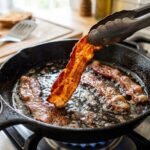
Take a skillet — cast iron is ideal — and place it on the stove over medium-low heat. You want to keep the temperature gentle, somewhere around a simmer, not a sizzle. Add a splash of beef broth to the skillet. Lay your brisket slices in the pan.
Cover the skillet with a lid. The lid does the same thing the foil does in the oven — it traps steam. Let the slices heat for about 3–4 minutes per side, keeping the heat low.
The advantage of this method is speed (faster than the oven) and the fact that you can get a little bit of caramelization on the edges if you want it. Once the brisket is warmed through, you can remove the lid, bump the heat up for about 15–20 seconds, and let the edges get slightly crispy. It adds a nice texture contrast.
Just be careful not to leave it uncovered on high heat for too long. That’s a fast track to dry brisket.
What Liquid Should You Use When Reheating?
You’ve noticed that every method above involves adding some kind of liquid. So what should you actually use? The answer depends on what you have and what flavor profile you’re going for.
Pan drippings or au jus from the original cook are hands-down the best option. They’re packed with rendered fat, gelatin, and the seasoning from your rub. They basically taste like concentrated brisket flavor.
Beef broth (low-sodium) is the next best thing. It adds moisture and a meaty flavor without overpowering the brisket’s own taste.
Beef stock works too, though it’s slightly richer than broth. Either one is fine.
Water is a last resort. It’ll provide steam, but it doesn’t add any flavor. If water is all you have, add a tiny pat of butter to the pan. The fat helps coat the meat and mimics some of what drippings would do.
Apple juice or apple cider vinegar — some BBQ folks swear by a splash of apple juice in the reheating liquid. It adds a subtle sweetness and acidity that can brighten up day-old brisket. It’s worth trying once to see if you like it.
Reheating a Whole Brisket vs. Sliced Brisket
This distinction matters more than most people realize.
A whole unsliced piece of brisket holds onto moisture much better during reheating. There’s less exposed surface area, so less evaporation. The fat cap (if it’s still intact) acts as a natural barrier. And the interior stays insulated longer, which means more even heating.
If you’ve got a whole piece, you can use the oven or smoker method, and you’ll get results that are shockingly close to the original cook. This is especially true if you properly wrapped it before refrigerating.
Sliced brisket is more vulnerable. Each slice has two large flat sides exposed to heat and air. That’s why adding liquid and covering tightly are so critical for slices. The thinner the slice, the more careful you need to be with heat and time.
If you sliced your brisket right after the initial cook, that’s fine — just make sure those slices went into storage with plenty of liquid around them. And when reheating, treat them gently.
There’s also the flat vs. point distinction. The flat (the leaner part) dries out faster during reheating. The point (the fattier, thicker part) is much more forgiving. If your leftover piece includes the point, you’re in better shape. If you want to understand the different brisket cuts better, it helps to know what you’re working with.
Temperature Check: How Warm Should Reheated Brisket Be?
You don’t need to bring reheated brisket back to the 210°F internal temp it reached during the original cook. That temperature was for breaking down collagen. The collagen is already broken down. If you push it back to 210°F, you’re just going to drive out more moisture for no reason.
Your target for reheated brisket is 150–165°F internal temperature. That’s warm enough to be enjoyable and safe, but not so hot that you’re drying it out.
Use an instant-read thermometer. Stick it into the thickest part of the meat. If you’re reheating slices, they’ll get there fast. A whole piece takes longer, which is why the oven and smoker methods need that extra time.
Tips That Make a Real Difference
A few smaller things that can take your reheated brisket from “okay” to “wow, this tastes like it just came off the smoker.”
Save those drippings. After every brisket cook, strain the drippings into a jar and refrigerate them. They keep for a week and are the single best thing you can add during reheating. If you normally toss them out — stop.
Don’t skip the rest. Even reheated brisket benefits from a short rest after warming. Just 5 minutes with the foil on allows the fibers to relax and reabsorb some juice. It sounds small, but it makes a noticeable difference.
Let it come to room temp first. If you’re reheating from the fridge, pull the brisket out and let it sit on the counter for 20–30 minutes before putting it in the oven or smoker. Starting from room temperature means the exterior doesn’t have to blast through cold-core temperatures, which reduces overcooking the outside.
Slice after reheating, not before. If you stored a whole piece, don’t slice it before reheating. Warm the whole piece first, then slice. You’ll retain significantly more moisture this way.
FAQ
Can you reheat brisket twice?
Technically, yes — as long as you store it properly between reheatings and bring it to a safe temperature. But each time you reheat, you lose moisture. The quality drops noticeably after the second reheat. My honest advice? Only reheat what you plan to eat in one sitting.
What’s the best way to reheat frozen brisket?
Thaw it in the fridge overnight first. Don’t try to go straight from freezer to oven — you’ll end up with the outside dried out and the inside still cold. Once thawed, use the oven method at 250°F with broth and foil. Sous vide also works exceptionally well for frozen-then-thawed brisket.
Why is my reheated brisket dry even though it was juicy originally?
Two most common reasons: you reheated it at too high a temperature, or you didn’t add any moisture (broth, drippings, etc.) during the reheating process. Both problems are fixable. Lower heat + added liquid + tight foil cover. That combination solves it almost every time.
Can I reheat brisket in an air fryer?
You can, but it’s not ideal. Air fryers work by circulating hot, dry air at high speeds — basically the opposite of what you want for brisket. If you must use one, set it to the lowest temperature (around 250°F if your model goes that low), wrap the brisket in foil with some broth, and check it frequently. It’ll work in a pinch, but the oven or sous vide will give you better results.
How do I keep the bark crispy when reheating?
Moisture and crispy bark are somewhat at odds with each other. The steam that keeps the meat moist will soften the bark. Here’s a workaround: reheat the brisket covered with broth to warm it through. Then, in the last 2–3 minutes, remove the foil and bump the oven temperature to 350°F to re-crisp the bark. Or, give the slices a quick sear on a hot cast iron skillet after reheating.
Your Leftover Brisket Deserves Better
Reheating brisket isn’t hard — but it does require a little patience and the right approach. The oven at 250°F with foil and broth is the most reliable method for most people. Sous vide is the gold standard if you have the equipment. And even the microwave can work if you use low power and short bursts.
The real takeaway? Low heat, added moisture, and something to trap the steam. That’s it. Stick to those three principles, and your leftover brisket will taste like it just came off the smoker — not like a dried-out afterthought.
Next time you pull a beautiful brisket at just the right moment (knowing when to pull brisket matters just as much), save those drippings, store the leftovers smart, and reheat with care. Your Tuesday night leftover dinner can be just as good as Saturday’s big cook.