You order your steak blue rare at a restaurant. The waiter gives you a subtle look — somewhere between respect and concern. Your dinner companion leans over and whispers, “Isn’t that basically raw? Is that even safe?”
You’ve probably heard this debate before. Blue steak — that almost-raw, cool-centered, barely-kissed-by-fire piece of beef — divides people like few other foods can. Some swear it’s the purest way to enjoy quality beef. Others think you’re basically playing Russian roulette with your stomach.
So what’s the real answer? Is blue steak safe to eat, or are you genuinely putting your health at risk every time you order one?
Let’s break it down honestly — no scare tactics, no pretending it’s 100% without risk, just the facts you actually need to make an informed decision.
What Exactly Is Blue Steak?
Before we talk safety, let’s make sure we’re on the same page about what blue steak actually means. Because a lot of people confuse it with rare, and they’re not the same thing.
Blue steak (sometimes called “blue rare” or the French term bleu) is cooked very briefly on extremely high heat. The outside gets a quick sear — we’re talking maybe 60 to 90 seconds per side — while the inside stays almost completely raw. The internal temperature barely reaches 115°F (46°C), which is well below what most food safety guidelines recommend.
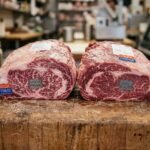
When you cut into a blue steak, the center looks deep purplish-red, feels cool or barely warm to the touch, and has a soft, almost jelly-like texture. If you’re familiar with the full steak doneness guide, you know that rare starts at about 120–125°F. Blue sits even below that.
So yes — the inside of a blue steak is essentially uncooked beef. And that’s exactly where people’s concerns begin.
The Science Behind Why Blue Steak Can Be Safe
Here’s something most people don’t realize about beef, and it’s the single most important fact in this entire conversation: bacteria on a whole cut of steak lives almost exclusively on the surface, not inside the meat.
This isn’t just some internet rumor. The USDA and food scientists have confirmed this repeatedly. Unlike ground beef — where bacteria gets mixed throughout during the grinding process — a solid steak keeps its interior essentially sterile, as long as the cut hasn’t been punctured or mechanically tenderized.
Think of it like an egg. The shell protects what’s inside. With a whole muscle steak, the outer surface acts as a natural barrier. When you sear the outside at 400°F+ heat, you’re killing the bacteria where it actually lives. The inside? It was never contaminated in the first place.
This is exactly why you can eat a blue or rare steak but you should never eat a rare hamburger. Ground beef has been processed, mixed, and exposed throughout. If you’re curious about safe temps for ground meat, check out this piece on hamburger internal temperature — the rules are completely different.
Quick Fact: The USDA recommends cooking whole steaks to a minimum of 145°F with a 3-minute rest. But many chefs, restaurants, and food safety experts acknowledge that searing the surface of a whole muscle cut below that temperature — including blue — can be safe under the right conditions.
When Is Blue Steak NOT Safe?
Alright, so I just explained why blue steak can be safe. Now let’s talk about when it absolutely isn’t. Because there are real scenarios where eating a blue steak is a genuinely bad idea, and you should know them.
The Meat Has Been Mechanically Tenderized
Some supermarkets and butchers use machines with tiny needles or blades to tenderize steaks. This process pushes surface bacteria deep into the meat’s interior. From the outside, the steak looks normal, but inside, it’s been contaminated throughout — similar to ground beef.
If your steak has been mechanically tenderized (check the label — USDA requires this to be disclosed since 2016), cooking it blue is risky. You’d want to bring that internal temp up to at least 145°F.
You’re Buying Low-Quality or Old Meat
Blue steak demands high-quality, fresh beef. We’re talking about cuts from a reputable butcher or a trusted source where you know the handling chain. That bargain-bin steak sitting in the supermarket clearance section with a “use by today” sticker? Not the one you want to eat nearly raw.
Freshness matters enormously here. The longer meat sits, the more bacterial growth occurs on the surface, and a quick sear might not be enough to deal with a heavily contaminated exterior.
Your Immune System Is Compromised
This is a big one that gets overlooked. If you’re pregnant, elderly, a young child, or someone with a weakened immune system (due to illness, medications, or chronic conditions), most health authorities genuinely recommend avoiding undercooked meats altogether. Your body’s ability to fight off any potential bacteria is reduced, and the margin for error becomes much thinner.
Cross-Contamination Has Occurred
If the steak has been sitting on the same board as raw chicken, or handled with utensils that touched other raw proteins, you’ve introduced new bacteria to the surface. A quick sear might handle the original bacteria, but cross-contamination adds unpredictable variables.
How To Safely Prepare Blue Steak at Home
So you’ve decided you want to try blue steak at home. Fair enough — it’s a legitimate way to enjoy beef. But the preparation process matters a lot more than it does for a well-done steak. You need to be deliberate about every step.
Start With the Right Cut
Not every steak is suitable for blue cooking. You want whole muscle cuts that are dense, high-quality, and haven’t been processed or tenderized. The best options are filet mignon (tenderloin), ribeye, New York strip, or sirloin. These cuts have tight muscle fibers that bacteria can’t easily penetrate.
If you’re choosing between different beef cuts, understanding the quality grade matters too. A higher grade like USDA Prime or Choice from a trusted source gives you better confidence in the handling chain. You can read more about how grading affects quality in this prime vs choice comparison.
Sear It Properly
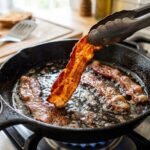
This is non-negotiable. Your pan or grill needs to be screaming hot — 450°F or higher. The goal is to get a deep, dark crust on every external surface of the steak in about 60–90 seconds per side. Don’t forget the edges. Tip the steak with tongs and sear those thin sides too.
That sear isn’t just for flavor. It’s your primary food safety mechanism. You’re killing surface bacteria through intense, direct heat. A lukewarm pan that gives you a pale, gray exterior? That defeats the entire purpose.
Handle It Like a Pro
Keep the steak refrigerated until right before cooking. Use clean cutting boards, clean hands, and clean utensils. Don’t let the raw steak touch anything that won’t be cooked afterward. Basic food safety hygiene, but it becomes critical when you’re intentionally undercooking meat.
Use a Meat Thermometer
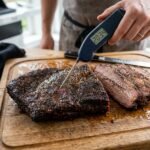
Even for blue steak, you should know what temperature you’re hitting internally. A reliable instant-read thermometer should show roughly 115°F (46°C) in the center for true blue. If you don’t own one yet, learning how to read a meat thermometer properly is a skill that’ll serve you for every type of cooking.
Let It Rest (Briefly)
Even blue steak benefits from a quick 2–3 minute rest after searing. This allows the exterior heat to very slightly warm the outer layers, creating a gentler transition between the seared crust and the cool center. It also lets the juices redistribute.
Blue Steak vs. Rare Steak: What’s the Actual Difference?
People often lump these two together, but there’s a meaningful gap between blue and rare.
Blue steak hits about 115°F internally. The center is cool, purplish-red, and very soft. The texture is almost silky, closer to sashimi than traditional steak.
Rare steak reaches 120–125°F. The center is warm (not cool), bright red, and has a bit more resistance when you press it. The proteins have started to denature slightly, giving it a more “meaty” texture.
That 5–10 degree difference might seem tiny, but it changes the eating experience significantly. Rare has more conventional “steak” flavor because the heat has started to break down fats and proteins. Blue tastes more purely of beef — almost minerally and buttery — with a texture that some people love and others genuinely can’t handle.
From a safety standpoint, both are below the USDA’s recommended 145°F. But both operate on the same principle: surface bacteria gets killed by the sear, and the intact interior stays clean. The risk profile is essentially similar for both, as long as you’re working with a quality whole muscle cut.
What Restaurants Do Differently
Ever notice that blue steak from a good restaurant somehow feels safer than making it at home? That’s not just perception — there are real reasons for it.
Professional kitchens typically source their beef from established suppliers with strict cold-chain protocols. The meat arrives fresher, is stored properly, and gets used quickly. Their equipment — commercial-grade flat tops, broilers, or cast-iron setups — reaches temperatures that most home kitchens can’t easily match. And their cooks sear hundreds of steaks a week, so the technique is dialed in.
Good restaurants also inspect their meat upon delivery. A head chef or sous chef checks for color, smell, texture, and temperature. Anything even slightly questionable gets rejected or repurposed into a fully-cooked dish.
Pro Tip: If you’re ordering blue steak at a restaurant for the first time, choose a steakhouse or a place known for their meat program. A random diner that also serves blue? Probably not the best testing ground for your first experience.
The Nutritional Angle Nobody Talks About
Here’s something interesting that rarely comes up in the “is blue steak safe” conversation: cooking level actually affects nutritional content.
Beef cooked to lower temperatures retains slightly more of certain heat-sensitive nutrients, particularly B vitamins (B12, B6, and thiamine) and some omega-3 fatty acids present in grass-fed beef. The longer and hotter you cook meat, the more these compounds break down.
Does this mean blue steak is dramatically healthier than well-done? No — the differences are modest. But if you’re someone who eats beef partly for its nutrient density, it’s worth knowing that undercooking preserves a bit more of what you’re eating it for.
On the flip side, cooking meat more thoroughly makes some proteins easier to digest. So there’s a trade-off. Your body might absorb certain nutrients from a medium steak more efficiently, even though blue steak technically starts with slightly more of them.
What About the Taste and Texture? Is It Actually Good?
Safety aside, a lot of people want to know: does blue steak actually taste good, or is it just a macho thing?
Honest answer? It depends entirely on your palate and the quality of the beef.
A blue steak from a well-marbled, properly aged cut can be genuinely extraordinary. The flavor is pure, intense, and beefy in a way that higher doneness levels can’t replicate. The texture is buttery and almost melts. Many serious steak enthusiasts and chefs worldwide consider it the truest expression of quality beef.
But if you’re used to medium or medium-well steaks, that cool, soft, purplish center can be jarring. The texture feels unfamiliar — less “chewy steak” and more “raw fish.” Some people take one bite and decide it’s not for them, and that’s completely valid.
If you want to ease into it, try ordering rare first and see how you feel about that center. If rare works for you, then next time, ask for blue. It’s a gentler transition than jumping straight from medium to blue.
For those who want to understand how different steaks respond to various cooking levels, our guide on flank steak done temperature shows how thinner cuts behave very differently — and why blue cooking works best with thicker, whole-muscle steaks.
Who Should Avoid Blue Steak?
Let’s be straightforward about this. Blue steak isn’t for everyone, and there are specific groups of people who should either skip it entirely or proceed with serious caution.
Pregnant women — most obstetric guidelines worldwide recommend avoiding undercooked meat during pregnancy because of potential exposure to toxoplasma and certain bacteria.
Children under 5 — their immune systems are still developing, and they’re more vulnerable to foodborne illness.
Elderly individuals — immune response diminishes with age, and food poisoning hits harder.
Anyone immunocompromised — whether from HIV/AIDS, chemotherapy, organ transplants, autoimmune medications, or other conditions, the risk-reward calculation shifts significantly.
People with existing digestive issues — conditions like Crohn’s disease, ulcerative colitis, or IBS can be aggravated by undercooked proteins.
If you fall into any of these categories, it doesn’t mean you can never enjoy a great steak — just aim for medium (145°F+) to stay on the safer side. And honestly, a perfectly cooked medium steak from a quality cut is still an incredible meal.
Does the Type of Beef Matter?
Absolutely — and more than most people think.
Grass-fed vs. grain-fed doesn’t dramatically change the safety equation for blue steak, but the sourcing and handling does. Beef from smaller, reputable farms with clean processing facilities tends to carry lower bacterial loads than mass-produced commodity beef.
Dry-aged beef is actually quite suitable for blue cooking. The aging process creates a dry, bark-like exterior that gets trimmed away before cooking, removing the surface where bacteria would live. The interior steak you’re left with has been essentially protected during the aging process.
Wagyu and other premium beef — these are practically made for blue or rare cooking. The intense marbling melts at lower temperatures, so cooking Wagyu to well-done is considered by many chefs to be wasteful. The fat distribution makes it taste incredible at blue temperatures.
What you want to be cautious about is pre-sliced, pre-packaged beef from large retailers. These steaks have been handled more, exposed to more surfaces, and may have been sitting longer. If you’re going blue, buy from a butcher where you can see the cut happening, or at minimum, choose a package with the furthest-out date and solid refrigeration.
The Legal and Cultural Perspective
Here’s something worth noting: different countries and cultures view blue steak very differently.
In France, ordering steak bleu is extremely common — nobody blinks an eye. French culinary tradition has embraced underdone beef for centuries, and their food safety framework accounts for it.
In Japan, raw beef dishes like gyutataki (seared beef) and yukke (raw beef similar to tartare) are part of the food culture, though regulations tightened after some food safety incidents in the 2010s.
In the United States, the USDA officially recommends 145°F for whole cuts of beef. But restaurants are legally allowed to serve steaks at any doneness level the customer requests, and many states require a consumer advisory notice on menus for undercooked proteins.
In the UK, the Food Standards Agency similarly recommends thorough cooking but acknowledges that whole muscle cuts seared on the outside can be served rare or blue.
The point? Blue steak exists in a space where official guidelines say one thing, but culinary practice and the actual science of muscle-cut contamination tell a slightly more nuanced story.
How To Store Leftover Blue Steak
Got leftover blue steak? It happens. Here’s what you need to know.
Refrigerate it within 2 hours of cooking (1 hour if the room temperature is above 90°F). Store it in an airtight container, and consume it within 2–3 days. When you reheat it, the steak will obviously cook further — there’s no way to reheat blue steak and keep it blue. It’ll come out closer to medium-rare or medium.
If you’re curious about how long cooked steak lasts in the fridge, we’ve got a detailed breakdown. The storage rules apply regardless of doneness level, but the key with previously-blue steak is that reheating actually brings the interior up to temperatures it never originally reached — which, ironically, makes your leftover steak safer than it was when you first served it.
FAQ
Can blue steak make you sick?
It can, but the risk is relatively low if you’re working with fresh, high-quality whole muscle beef that’s been properly seared on all surfaces. The main bacterial threats — E. coli, Salmonella, and Listeria — live on the surface of whole cuts, not inside. A proper high-heat sear kills them. The risk increases significantly with mechanically tenderized, old, or poorly handled meat. People with weakened immune systems face higher risk and should stick with more thoroughly cooked options.
What’s the minimum safe temperature for steak?
The USDA recommends 145°F (63°C) with a 3-minute rest for whole cuts of beef. That lands you at medium doneness. Blue steak sits around 115°F, and rare is about 120–125°F — both below the official recommendation. Many chefs and food scientists argue that the searing process on a whole muscle cut makes lower internal temperatures acceptable, but it technically falls outside government guidelines.
Is blue steak the same as raw steak?
Not exactly. Raw steak hasn’t been cooked at all. Blue steak gets a hard, fast sear on the exterior, which kills surface bacteria and slightly changes the outer texture and flavor. The interior is still essentially raw in temperature and appearance, but that brief searing step makes a meaningful difference from a food safety perspective. It’s the difference between beef tartare (truly raw) and blue steak (seared outside, raw inside).
What cuts of steak are best for blue cooking?
Thick, whole-muscle cuts work best. Filet mignon is the classic choice because it’s tender, dense, and has tight muscle fibers. Ribeye works well too, especially if well-marbled. New York strip is another solid option. Avoid thin cuts like skirt steak or flank steak for blue cooking — they’re too thin to sear properly without cooking the center. And never cook ground beef preparations to blue — that’s a genuine safety risk.
Is blue steak hard to digest?
For some people, yes. The proteins in blue steak haven’t been broken down by heat the way they would be in a medium or well-done steak, so your digestive system has to do more of that work. If you have a sensitive stomach or digestive issues, you might experience discomfort. Most healthy adults digest it fine, though. If you’re trying blue steak for the first time, eat a smaller portion and see how your body responds before committing to a full 12-ounce serving.
Your Call, Your Steak
Here’s the bottom line: blue steak can be safe for most healthy adults, but it’s not without conditions. You need quality meat, proper handling, a screaming-hot sear on every surface, and an honest assessment of your own health situation.
The science is clear that surface-seared whole muscle cuts carry a very different risk profile than undercooked ground beef or mechanically tenderized steaks. Millions of people eat blue and rare steaks every single day at restaurants around the world without issue. But “low risk” isn’t the same as “no risk,” and pretending otherwise wouldn’t be honest.
If you decide blue steak is for you, invest in good beef, learn to sear properly, and use a reliable meat thermometer so you know exactly what temperature you’re hitting. And if someone at the table gives you that look when your steak arrives? Now you’ve got the knowledge to explain exactly why you’re comfortable eating it.