Here’s something most people don’t realize — that beautiful ham sitting in the grocery store cooler isn’t just “ham.” It’s either the shank end or the butt end, and the difference between the two can make or break your holiday dinner. These two cuts come from the same leg of the pig, but they cook differently, taste slightly different, and work better for completely different occasions.
If you’ve ever stood in the meat aisle staring at two hams wondering which one to grab, you’re not alone. Most shoppers pick based on price or whatever’s on sale. But spending two minutes understanding what makes each cut unique? That saves you from dry, hard-to-carve disappointment — and that’s exactly what we’re going to sort out right now.
Where Do Shank and Butt Ham Actually Come From?
Let’s start with the basics, because this is where most confusion begins.
A whole ham is the entire hind leg of a pig. When butchers break it down, they split it into two pieces. The shank ham is the lower portion — the part closer to the pig’s ankle. The butt ham (also called the sirloin end or butt end) is the upper portion, closer to the hip and rump area.
Same leg. Same animal. But the muscles, bones, and fat distribution in each section are surprisingly different. Think of it like the difference between your calf and your thigh — same leg, but the muscle structure, shape, and movement are nothing alike.
The name “butt ham” throws people off sometimes. It doesn’t actually come from the pig’s backside the way you might imagine. The butt end simply refers to the thicker, upper portion of the leg. If you’ve ever been curious about how different cuts of pork vary in flavor and cooking needs, this is a perfect example of how location on the animal changes everything.
Shank Ham: What Makes It Different
The shank portion has a distinctive look — it’s the one with the tapered, cone-like shape. You’ve probably seen it in photos of classic holiday dinners, scored in a diamond pattern with cloves stuck into the fat. That iconic ham presentation? Almost always a shank cut.
Shape and bone structure play a big role here. The shank has one straight leg bone running through it, which makes carving relatively straightforward. You can slice around the bone in clean, even pieces without fighting through awkward joints or hidden bone fragments.
The meat itself tends to be leaner and has a slightly more pronounced “hammy” flavor. Because this part of the leg does more work while the animal moves, the muscle fibers are a bit tighter. That means the texture is firmer — not tough, just more structured.
One thing to keep in mind: the shank end has a higher bone-to-meat ratio compared to the butt end. So while it might look like a great deal based on total weight, you’re getting a bit less actual edible meat per pound. For a family of four to six, this usually isn’t a problem. But if you’re feeding a crowd, it’s worth factoring in.
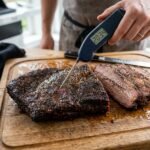
Pro Tip: The shank end’s tapered shape actually helps it cook more evenly than you’d expect. The thinner end gets done a bit faster, but as long as you tent it with foil during the last stretch, you’ll get consistent results. Knowing how to read your meat thermometer properly makes a real difference with any ham cut.
Butt Ham: What Sets It Apart
The butt end is the meatier, rounder half. It sits higher on the leg and contains more fat marbling throughout the muscle. If you pick up both cuts at the store, the butt end usually feels heavier and denser for its size.
Here’s where things get interesting — and a little tricky. The butt end has a T-shaped bone (part of the hip bone) buried inside it. That bone, along with the way multiple muscle groups come together at this part of the leg, makes carving more challenging. You can’t just slice straight through like you would with the shank. You need to work around the bone and find the natural seams between muscles.
But what you lose in carving convenience, you gain in flavor. The extra fat marbling keeps the meat juicier during cooking. The butt end is more forgiving if you accidentally overcook it by a few degrees — that intramuscular fat acts as insurance against dryness. For anyone who’s ever pulled a dry ham out of the oven and felt that sinking disappointment, this matters a lot.
The butt end also gives you more meat per pound since the bone-to-meat ratio is more favorable. So if you’re feeding a big group, you’re getting more actual servings from the same weight.
Did You Know? The butt end is sometimes sold as “sirloin ham” or “rump portion” depending on your region and butcher. Don’t let the different names confuse you — it’s the same cut.
Flavor and Texture: A Side-by-Side Look
Both cuts taste like ham — obviously. But there are subtle differences that matter, especially if you’re particular about your food.
The shank ham delivers a cleaner, more traditional ham flavor. The meat has a firmer bite and holds its shape beautifully on the plate. Thin slices from a well-cooked shank ham look picture-perfect. If you’re someone who likes their ham sliced thin for sandwiches the next day, the shank’s texture works really well for that.
The butt ham leans richer. That extra marbling translates into a more succulent, almost buttery mouthfeel. The meat pulls apart a bit more easily, which some people love and others find less appealing for presentation. If you’re the type who judges meat by how moist and tender it is above everything else, the butt end will probably win you over.
Here’s a comparison that might help: think of shank ham like a well-done pork chop — structured, clean, satisfying. The butt ham is more like pulled pork territory — richer, fattier, falling-apart tender. Neither is “better” in an absolute sense. It depends entirely on what you’re after.
One thing both cuts share: the glaze. Whatever brown sugar, honey mustard, or pineapple glaze you love? It works equally well on both. The flavor differences between shank and butt are real, but they’re not so dramatic that they’d clash with any particular seasoning or glaze recipe.
Cooking and Preparation: What You Need to Know
Cooking the Shank Ham
The shank’s tapered shape means the thinner end will reach temperature faster than the thick end. This isn’t a deal-breaker, but you need to be aware of it.
Set your oven to 325°F (163°C) — this is the sweet spot for most hams. Place the shank cut-side down in your roasting pan. This lets the thicker end sit at the bottom where it gets the most direct heat, and the natural juices flow down through the meat.
A general rule is about 15–18 minutes per pound for a pre-cooked ham (which is what most store-bought hams are). For an uncooked or fresh ham, you’re looking at 22–26 minutes per pound. Either way, your target internal temperature is 145°F (63°C) according to USDA guidelines.
Tent the thinner end with aluminum foil about halfway through cooking. This prevents it from drying out while the thicker portion catches up. And speaking of wrapping techniques, if you’ve ever worked with brisket and wondered about the right wrap temperature, the same principle of protecting thinner sections applies here.
Cooking the Butt Ham
The butt end’s rounder, more uniform shape actually makes heat distribution a bit more even. Place it flat-side (cut-side) down in your pan, same as the shank.
Cooking times are roughly the same — 15–18 minutes per pound for pre-cooked, a bit longer for fresh. But because the butt end is denser and fattier, it retains heat differently. Check your internal temperature in the thickest part of the meat, making sure you’re not touching the bone (bone conducts heat and will give you a false reading).
The butt end benefits from a slightly longer rest after cooking — about 15–20 minutes loosely tented with foil. This lets the juices redistribute through all those different muscle groups. Skip this step and you’ll watch all that moisture run out the second you cut into it.
⚠️ Warning: Whether you’re cooking shank or butt ham, never rely on time alone. Always use a meat thermometer. A ham that looks done on the outside can be undercooked in the center, and one that’s been in the oven the “right” amount of time might be overdone if your oven runs hot. This is why understanding how to use a meat thermometer correctly is so important.
Carving: Where the Real Difference Shows Up
This is honestly where shank ham pulls ahead for most home cooks.
With a shank ham, you lay it on its flat (cut) side, and slice perpendicular to the bone. The single leg bone is easy to identify and work around. You get clean, uniform slices that look great on a platter. Once you’ve sliced down to the bone on all sides, you can cut the remaining meat off in chunks. Simple. Straightforward. Even someone who’s never carved a ham before can handle it.
The butt ham is a different story. That T-shaped hip bone sits right in the middle, and the muscle groups around it run in different directions. You’ll need to find the bone first (usually by feel), then cut along it to remove sections of meat before slicing. It’s not impossible — plenty of people do it every holiday season — but it takes more confidence and a sharper knife.
If you’re cooking for guests and want that impressive moment of carving at the table, the shank end makes you look like you know what you’re doing. If you’re carving in the kitchen and just plating the slices, the butt end’s carving challenges don’t really matter.
A good tip for the butt end: ask your butcher to score it or even partially bone it before you buy it. Some butchers will remove the hip bone for you, which turns the butt end into something much easier to work with. You lose none of the flavor and gain a lot of convenience.
Price and Value: Getting the Most for Your Money
Ham prices fluctuate based on season, brand, and whether it’s bone-in or boneless. But in general, shank ham tends to be slightly cheaper per pound than butt ham. This is because the butt end has more meat relative to bone, so butchers and retailers price it a touch higher.
That said, the price difference is usually small — maybe 50 cents to a dollar per pound. It’s not going to make or break your grocery budget. The real value question is how much usable meat you’re getting.
The butt end gives you more meat per pound because a smaller percentage of the weight is bone. So even though the price per pound might be slightly higher, you could actually end up with more servings. If you’re feeding 10+ people and every slice counts, the butt end’s better meat-to-bone ratio is worth considering.
For smaller gatherings — four to six people — the shank end is perfectly sized and you’ll likely have leftovers either way. Plus those leftovers from a shank ham make fantastic sandwiches, omelets, and ham and bean soup.
Which Ham Cut Works Best for Different Occasions?
Not every meal calls for the same type of ham. Here’s how to think about it based on what you’re actually planning.
Holiday dinner with the whole family? Go with shank ham. The presentation is classic, carving is easier at the table, and the leaner meat works well with rich sides like scalloped potatoes and green bean casserole. When you’ve got a dozen other things happening in the kitchen, easy carving is a genuine stress reducer.
Weeknight dinner or casual gathering? The butt ham works great here because you don’t need picture-perfect slices. Carve it up in the kitchen, pile it on a plate, and let people serve themselves. The juicier, fattier meat stands up well to reheating the next day too.
Cooking for a crowd on a budget? Butt ham gives you more edible meat per dollar spent, making it the smarter pick when you need maximum servings.
Making ham for recipes — soups, casseroles, sandwiches? Either cut works, but the butt end’s richer flavor and tender texture can add more depth to dishes like split pea soup or ham and cheese sliders. If you’re someone who enjoys getting creative with different pork cuts, the butt end gives you more versatility.
Smoking or grilling? Both cuts smoke beautifully, but the butt end’s higher fat content makes it more forgiving on a smoker. If you’ve smoked pork shoulder before, the butt ham behaves similarly — the fat bastes the meat from the inside as it renders.
Bone-In vs Boneless: Does It Matter?
You’ll find both shank and butt ham sold in bone-in and boneless versions. This choice affects flavor, cooking time, and ease of carving.
Bone-in ham (either cut) generally tastes better. The bone conducts heat into the center of the meat and adds flavor as the marrow and connective tissue around it break down during cooking. There’s a reason experienced cooks almost always recommend bone-in for roasting.
Boneless ham is essentially the same meat with the bone removed and the ham pressed or reformed into a uniform shape. It carves like a dream — perfectly even slices every single time. But you lose some flavor, and the texture can feel slightly more processed, especially with cheaper brands.
If you’re buying a shank ham, bone-in is the way to go. The single straight bone is so easy to work around that removing it barely saves you any effort. With the butt end, going boneless actually makes more sense if carving intimidates you, since you eliminate that tricky T-bone situation entirely.
Storing and Using Leftover Ham
No matter which cut you choose, you’ll probably end up with leftovers. Good news: ham stores beautifully.
Wrap leftover ham tightly in plastic wrap or aluminum foil and refrigerate it. It’ll stay good for 3–5 days in the fridge. For longer storage, slice or cube it and freeze in airtight bags — frozen ham keeps for 1–2 months without losing much quality. Similar storage principles apply to other cooked meats you keep in the fridge.
Leftover shank ham tends to hold its texture better when cold, making it ideal for sandwiches and chef’s salads. Leftover butt ham, being softer and richer, works better in cooked dishes — think ham fried rice, quiche, or ham and potato soup.
One trick that works for both: save the bone. A ham bone is liquid gold for making soup stock. Toss it in a pot with some water, onions, celery, and bay leaves, and simmer for a few hours. You’ll get a rich, smoky broth that makes any bean or pea soup taste restaurant-quality.
Quick Summary: Shank Ham vs Butt Ham at a Glance
Shank ham is your best friend when you want easy carving, classic presentation, leaner meat, and a straightforward cooking experience. It’s the safer, more predictable choice — especially for first-timers or table-side carving.
Butt ham is the pick when you prioritize juiciness, more meat per pound, richer flavor, and don’t mind a trickier carving situation. It’s more forgiving during cooking and delivers a more indulgent eating experience.
Neither cut is objectively “better.” They’re different tools for different jobs. The best ham is the one that matches your specific situation — your crowd size, your confidence level in the kitchen, and what you personally value most on the plate.
Frequently Asked Questions
Is shank ham or butt ham more tender?
The butt ham is generally more tender because it has more intramuscular fat (marbling). This fat melts during cooking and keeps the meat moist and soft. The shank ham is firmer in texture — not tough by any means, but it has a more structured bite. If tenderness is your top priority, the butt end is your better bet.
Can I use shank and butt ham interchangeably in recipes?
Yes, you can swap one for the other in almost any recipe. Soups, casseroles, sandwiches, glazed holiday ham — both cuts work. The main differences you’ll notice are texture (butt is softer, shank is firmer) and how you carve them. The flavor difference is subtle enough that it won’t throw off any recipe.
How do I know if my ham is a shank or butt cut at the store?
Check the label first — most hams are clearly marked as “shank portion” or “butt portion” (sometimes called “sirloin end”). If the label isn’t clear, look at the shape. The shank end is tapered and cone-shaped, while the butt end is rounder and more compact. You can also ask your butcher — they’ll know instantly and can even recommend the best option for your plans.
What internal temperature should ham reach?
According to the USDA, pre-cooked ham should be reheated to an internal temperature of 145°F (63°C). Fresh (uncooked) ham needs to reach the same 145°F with a three-minute rest time. Always check the temperature in the thickest part of the meat, away from the bone.
Which ham cut is better for smoking?
The butt ham tends to perform better on a smoker because its higher fat content keeps the meat moist during the long, slow cooking process. The shank can be smoked too, but you’ll need to be more careful about drying out the thinner end. If you’re comfortable with smoking larger cuts of pork, the butt end will feel very familiar.
Final Thoughts
Choosing between shank and butt ham doesn’t need to be stressful. Now that you understand what each cut brings to the table — literally — you can make a confident decision based on your actual needs, not just guesswork.
If you’re cooking for a holiday, hosting guests, or want that picture-perfect carving experience, grab the shank. If you’re after maximum flavor, juicier meat, and more servings per pound, the butt end deserves your attention.
Either way, invest in a good meat thermometer, don’t skip the resting time after cooking, and save that bone for soup. Your future self will thank you.